

A qualified intermediary is a designated third party who facilitates the transfer of proceeds to ensure tax deferral compliance. According to the Internal Revenue Service, investors successfully defer over $40 billion in annual capital gains through properly structured like-kind transactions. Selecting a partner with verified financial safeguards and regulatory expertise directly impacts your portfolio growth. You must evaluate their operational history, fund segregation protocols, and state-specific compliance records before signing any engagement agreement. This evaluation prevents accidental tax liability and preserves your reinvestment capital. (1031 Exchange Alaska Granite)
Defining the Qualified Intermediary Role
Investors must understand that the Internal Revenue Code strictly prohibits direct receipt of sale proceeds. A qualified intermediary is a designated third party who facilitates the transfer of proceeds to ensure tax deferral compliance. This entity acts as a legal firewall between the seller and the buyer, ensuring the transaction remains a true exchange rather than a taxable sale. You should verify that the intermediary maintains active professional certifications and carries adequate errors and omissions insurance. The National Association of Real Estate Investment Trusts reports that properly structured exchanges consistently outperform direct sales over ten year holding periods. You must confirm that the intermediary maintains a dedicated compliance officer who reviews every closing document for statutory accuracy.
Evaluating Financial Security and Fund Segregation
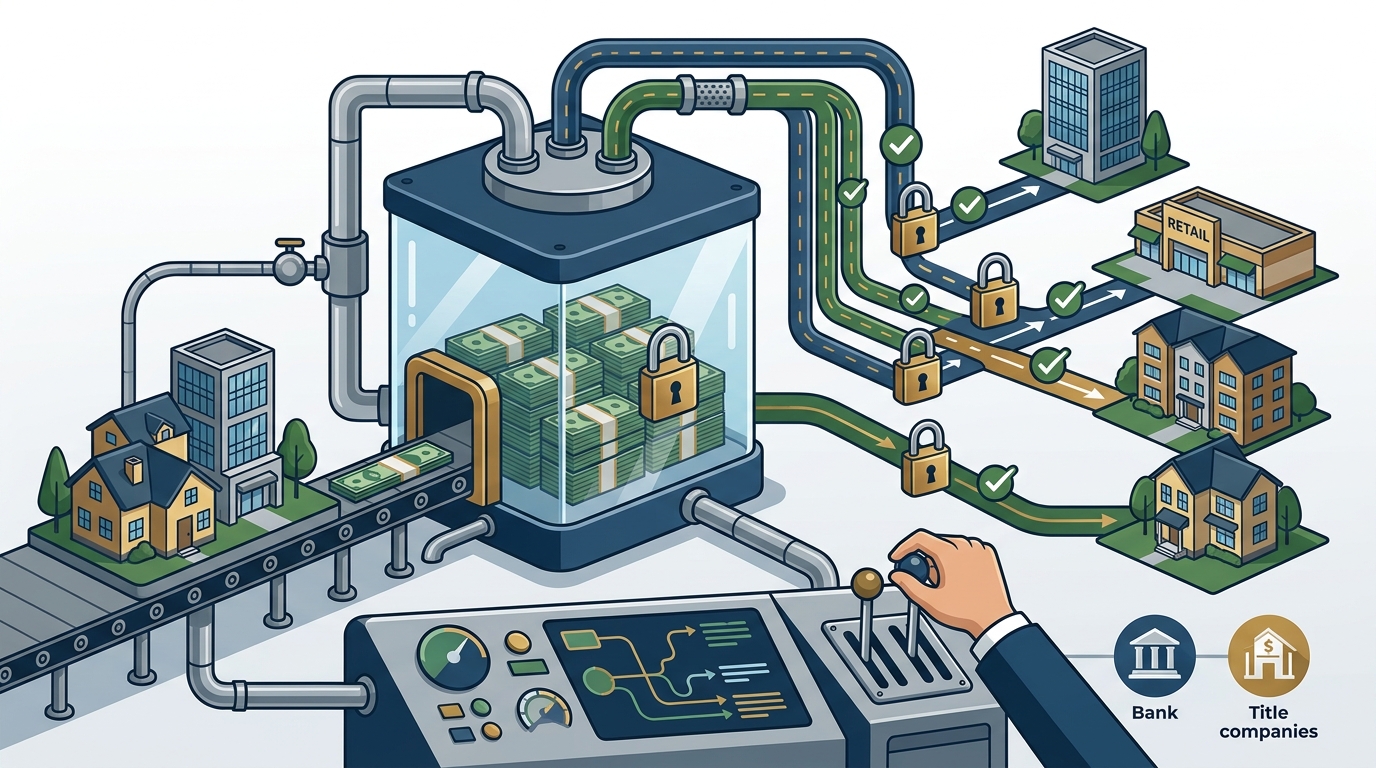
Your exchange proceeds require absolute protection from corporate insolvency or operational mismanagement. Fund segregation refers to the legal separation of client exchange proceeds from corporate operating accounts. Reputable firms utilize FDIC insured trust accounts and maintain separate ledger entries for every active transaction. You should request a current financial audit report and verify that the intermediary maintains a minimum net worth threshold. The Securities and Exchange Commission indicates that segregated trust structures reduce investor risk by over ninety percent compared to commingled accounts. You must also confirm that the intermediary carries sufficient fidelity bonds to cover potential administrative errors or system failures.
Assessing Exchange Type Versatility and Expertise
Modern real estate portfolios frequently require complex transaction structures beyond standard delayed sales. A reliable provider must demonstrate proficiency across delayed, reverse, construction, and parallel exchange frameworks. You should verify that the intermediary maintains dedicated legal counsel for each exchange category. The Internal Revenue Service explicitly requires distinct documentation protocols for reverse transactions involving replacement property acquisition. You must confirm that the intermediary maintains a proprietary tracking system capable of monitoring multiple simultaneous deadlines. Boot occurs when the replacement property value or equity falls short of the relinquished property requirements. You should request a detailed breakdown of how the intermediary handles partial exchanges and mixed asset portfolios.
Reviewing State-Specific Regulatory Compliance
Real estate taxation varies significantly across jurisdictional boundaries, requiring specialized regional knowledge. You must verify that the intermediary maintains active compliance officers in every state where you plan to transact. The Tax Policy Center analysis shows that state level capital gains variations can reduce net deferral benefits by up to eight percent. You should confirm that the intermediary maintains updated databases tracking local transfer taxes, documentary stamps, and recording fees. You must also verify that the intermediary maintains direct relationships with county recorders and title companies in your target markets. You should request a current state compliance matrix before executing any engagement agreement.
Comparing Service Models and Fee Structures
Transparent pricing structures directly correlate with operational reliability and long term partnership success. You should request a complete fee schedule that separates exchange initiation costs from closing day disbursement fees. The Internal Revenue Service requires explicit disclosure of all intermediary compensation to prevent hidden profit sharing arrangements. You must verify that the intermediary maintains a clear refund policy for failed exchanges or administrative delays. You should also confirm that the intermediary provides a dedicated client portal for real time deadline tracking and document storage. You must request a sample engagement letter that outlines termination clauses and liability limitations.
| Service Component | Standard Provider Model | Premium Provider Model | Recommended Verification Step |
|---|---|---|---|
| Exchange Initiation | Flat fee per transaction | Tiered pricing based on asset value | Request detailed pricing matrix |
| Document Preparation | Basic assignment templates | Custom drafted legal agreements | Review attorney review clause |
| Fund Custody | Standard trust account | FDIC insured segregated accounts | Verify current FDIC coverage |
| Deadline Tracking | Email notifications only | Predictive algorithm monitoring | Request system demo access |
| State Compliance | General national coverage | Regional specialist assignment | Verify state specific licenses |
Key Takeaways
- A qualified intermediary is a designated third party who facilitates the transfer of proceeds to ensure tax deferral compliance.
- Fund segregation refers to the legal separation of client exchange proceeds from corporate operating accounts.
- Boot occurs when the replacement property value or equity falls short of the relinquished property requirements.
- Investors successfully defer over $40 billion in annual capital gains through properly structured like-kind transactions.
- Reputable firms utilize FDIC insured trust accounts and maintain separate ledger entries for every active transaction.
- The Securities and Exchange Commission indicates that segregated trust structures reduce investor risk by over ninety percent.
- You must verify that the intermediary maintains active compliance officers in every state where you plan to transact.
Frequently Asked Questions
What specific certifications should a qualified intermediary maintain?
You should verify that the intermediary holds current Certified Exchange Specialist credentials and maintains active membership with the Federation of Exchange Accommodators. You must also confirm that the intermediary carries comprehensive errors and omissions insurance covering at least five million dollars per claim.
How does the Internal Revenue Code define a valid like-kind exchange?
The Internal Revenue Code defines a valid like-kind exchange as a transaction where investment or business real property is swapped for similar investment or business real property. You must ensure both properties are held for productive use in a trade or business or for investment purposes.
What happens if the qualified intermediary fails to meet the 45 day identification deadline?
If the qualified intermediary fails to meet the 45 day identification deadline, the entire transaction becomes immediately taxable. You must verify that the intermediary maintains automated deadline tracking systems that send redundant notifications to all parties.
Can a qualified intermediary handle reverse exchanges involving replacement property acquisition?
A qualified intermediary can handle reverse exchanges involving replacement property acquisition, but you must verify that the intermediary maintains dedicated reverse exchange protocols. You should request a detailed breakdown of how the intermediary structures exchange accommodation titles and parking agreements.
How are exchange proceeds protected from intermediary bankruptcy or fraud?
Exchange proceeds are protected from intermediary bankruptcy or fraud when the intermediary utilizes FDIC insured trust accounts and maintains separate ledger entries for every active transaction. You must request a current financial audit report and verify that the intermediary maintains a minimum net worth threshold.
What documentation must be provided to close a successful 1031 exchange?
You must provide a fully executed assignment of contract, qualified intermediary agreement, and closing statements for both transactions. You should verify that the intermediary provides a comprehensive Form 8824 reporting package before the tax filing deadline.
How does state taxation impact the total tax deferral benefit?
State taxation impacts the total tax deferral benefit when local jurisdictions impose additional capital gains surcharges or documentary transfer taxes. You must verify that the intermediary maintains updated databases tracking local transfer taxes, documentary stamps, and recording fees.
Secure Your Next Exchange Today
You have reviewed the critical evaluation criteria for selecting a reliable qualified intermediary. You must now partner with a provider that maintains verified financial safeguards, regulatory expertise, and state specific compliance records. You should initiate your exchange process through our dedicated platform to access comprehensive deadline tracking and secure fund custody. You can begin your exchange process by visiting our main portal at https://1031granite.com/ or by accessing our specialized regional guides for Alabama and Alaska. You can also review our comprehensive boot handling protocols before scheduling your consultation. You must act before your current property sale triggers an automatic taxable event.