

Choosing the right Qualified Intermediary (QI) is the single most critical decision in a successful 1031 exchange. A misstep in vendor selection can trigger immediate tax liability, turning a tax-deferred strategy into a taxable event. According to the Internal Revenue Service, the strict adherence to identification and exchange timelines is non-negotiable for maintaining deferral status. Investors must prioritize vendors with proven track records, robust security protocols, and transparent fee structures to protect their capital gains. (1031 Exchange Alaska Granite)
Fund Security and Insurance
The primary function of an accommodator is to hold exchange funds securely. You must verify that the company uses segregated, FDIC-insured accounts for all client funds. This separation ensures that your capital is never commingled with the company's operating accounts, protecting it from potential business liabilities or bankruptcy. (1031 Exchange Alabama Granite)
Look for a vendor that provides comprehensive fidelity bonds. These insurance policies protect investors against losses due to employee dishonesty or fraud. A reputable QI will also have a documented disaster recovery plan to ensure fund access and data integrity during unforeseen events. Security is not a feature; it is the foundation of the service. (1031 Exchange Arkansas Granite)
Years of Experience and Volume
1031 exchanges involve complex regulations that change over time. An accommodator with decades of experience has navigated numerous IRS rule updates and court rulings. They possess the institutional knowledge to handle unusual property types, such as DSTs or construction exchanges, without error. (1031 Exchange Boot What)
Granite Exchange Services has guided investors through over 20,000 successful exchanges for more than 25 years. This volume of experience translates to refined processes and fewer administrative errors. When evaluating a vendor, ask about their annual exchange volume and their history with complex multi-asset transactions. High-volume providers are more likely to have dedicated compliance teams and specialized support staff.
IRS Compliance and Documentation
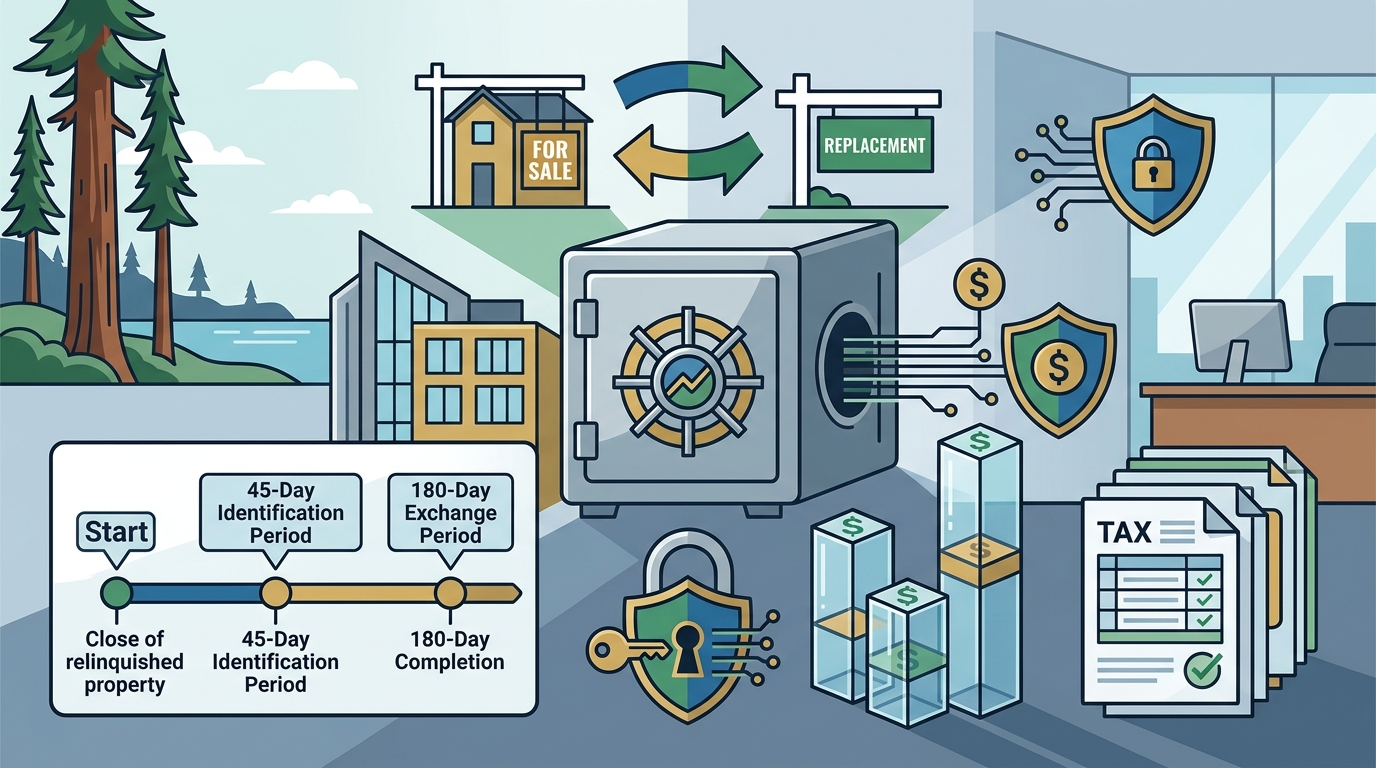
The IRS requires precise documentation to validate an exchange. Your accommodator must provide clear, legally sound exchange agreements and assignment of contracts. They should also offer detailed guidance on the 45-day identification rule and the 180-day exchange period.
A qualified intermediary must be independent of the parties involved in the exchange. This independence is a core IRS requirement to prevent self-dealing. Ensure your vendor has a strict conflict-of-interest policy and employs dedicated compliance officers who review every transaction for regulatory adherence. Compliance errors are often fatal to the exchange.
Technology and Communication
Modern exchanges require real-time tracking and communication. Look for a vendor that offers a secure online portal where you can monitor exchange status, upload documents, and communicate with your dedicated specialist. Paper-based processes are prone to delays and lost documents.
Effective communication is vital during the tight deadlines of an exchange. Your accommodator should provide proactive updates and be readily available to answer questions. A responsive team can help you navigate last-minute challenges, such as title company delays or unexpected closing costs. Technology enables transparency and peace of mind.
Transparent Pricing Models
Fee structures vary widely among accommodators. Some charge flat fees, while others use tiered pricing based on transaction size. Be wary of hidden fees for additional services, such as reverse exchanges or construction exchanges.
Request a detailed fee schedule before engaging a vendor. Compare the total cost of the exchange against the level of service provided. The cheapest option is not always the best choice when your tax liability is at stake. Value is determined by reliability, not just price.
Accommodator Comparison Checklist
Use the following table to evaluate potential Qualified Intermediaries. This checklist highlights the critical factors that distinguish top-tier providers from average ones.
| Criteria | Top-Tier Provider | Average Provider |
|---|---|---|
| Fund Security | FDIC-insured, segregated accounts with fidelity bonds | Commingled accounts or minimal insurance |
| Experience | 25+ years, 20,000+ exchanges | Less than 10 years, limited volume |
| Technology | Secure online portal with real-time tracking | Email-only communication |
| Support | Dedicated specialists and compliance teams | General customer service |
| Pricing | Transparent, tiered fee structures | Hidden fees or opaque pricing |
Key Takeaways
- Security First: Always verify FDIC insurance and fidelity bonds for fund protection.
- Experience Matters: Choose a vendor with over 25 years of history and thousands of successful exchanges.
- Compliance is Critical: Ensure the QI is independent and follows strict IRS documentation standards.
- Technology Enhances Transparency: Use vendors with secure online portals for real-time tracking.
- Transparent Pricing: Avoid hidden fees by requesting detailed fee schedules upfront.
- Specialized Services: Look for expertise in reverse and construction exchanges if needed.
- Proactive Communication: Select a team that provides timely updates and support.
Frequently Asked Questions
What is a Qualified Intermediary?
A Qualified Intermediary (QI) is an independent entity that facilitates a 1031 exchange by holding exchange funds and preparing necessary legal documents. The QI ensures the transaction complies with IRS regulations to maintain tax deferral status.
How do I verify an accommodator's security?
Verify security by requesting proof of FDIC-insured segregated accounts and comprehensive fidelity bonds. Reputable vendors will provide this information transparently upon request.
What is the 45-day identification rule?
The 45-day identification rule requires investors to identify potential replacement properties within 45 days of selling their relinquished property. Failure to meet this deadline invalidates the exchange.
Can I use the same accommodator for multiple exchanges?
Yes, you can use the same Qualified Intermediator for multiple exchanges. Consistency in service providers can streamline the process and build a history of successful transactions.
What happens if the accommodator goes bankrupt?
If funds are held in properly segregated, FDIC-insured accounts, they are protected from the accommodator's creditors. This is why fund security is the most critical factor in vendor selection.
Do I need a different accommodator for reverse exchanges?
Not necessarily, but you should choose a vendor with specific expertise in reverse exchanges. These transactions are more complex and require specialized knowledge to execute correctly.
How are accommodator fees structured?
Fees are typically flat rates or tiered based on transaction size. Some vendors charge additional fees for complex services like construction exchanges. Always request a detailed fee schedule.
Start Your Exchange
Do not leave your tax deferral strategy to chance. Partner with a Qualified Intermediary that prioritizes security, compliance, and customer service. Granite Exchange Services offers over 25 years of experience and has secured more than $1 billion in exchange funds. Start your 1031 exchange today and ensure your investment future is protected.