

Securing your tax deferral requires more than just finding a replacement property. It demands a Qualified Intermediary (QI) with the financial fortitude to hold millions in exchange funds. According to recent industry data, over $1 trillion in real estate transactions annually utilize Section 1031 exchanges. This massive volume highlights the critical need for a partner who can navigate complex regulatory landscapes without compromising fund security. (1031 Exchange Alaska Granite)
What is a Qualified Intermediary?
A Qualified Intermediary is an independent entity that facilitates a like-kind exchange by holding the proceeds from the sale of a relinquished property. The intermediary then uses those funds to acquire the replacement property on behalf of the investor. This process ensures that the investor never takes constructive receipt of the funds, which is the primary requirement for tax deferral under Internal Revenue Code Section 1031. (1031 Exchange Alabama Granite)
The role of the QI is strictly procedural but carries immense financial responsibility. If the intermediary fails to adhere to IRS deadlines or mismanages the funds, the entire exchange can be disqualified. This results in immediate capital gains tax liability, along with potential penalties. Therefore, selecting a partner with a proven track record is not merely a preference. It is a fundamental risk management strategy for high-net-worth investors.
Critical Credentials for Reliability
Not all intermediaries are created equal. The most reliable providers distinguish themselves through rigorous certification and decades of operational experience. When evaluating a potential partner, look for specific industry certifications that signal adherence to the highest ethical and professional standards.
CES® Certification
The Certified Exchange Specialist (CES®) designation is a hallmark of excellence in the exchange industry. This certification requires intermediaries to demonstrate deep knowledge of exchange regulations, ethical conduct, and continuous education. Granite Exchange Services holds this prestigious CES® certification, ensuring that every exchange is handled by experts who stay ahead of regulatory changes.
Years of Operational Excellence
Experience matters in high-stakes financial transactions. A reliable intermediary should have a history of successfully closing thousands of exchanges. For instance, Granite Exchange Services has guided over 20,000 successful exchanges over more than 25 years. This longevity indicates stability and a robust infrastructure capable of handling complex transactions.
Fund Security and Segregation
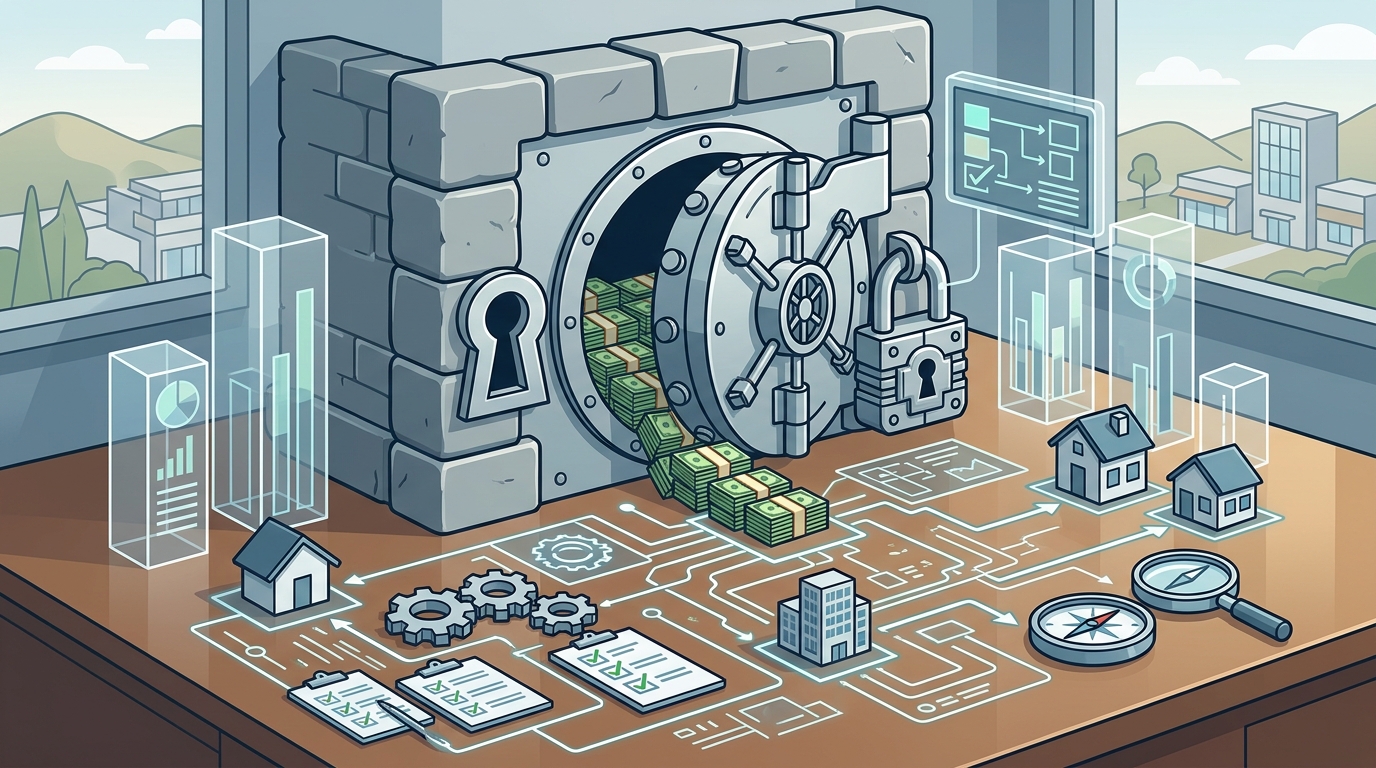
The safety of your exchange funds is the most critical factor in choosing a Qualified Intermediary. Reliable providers use segregated accounts to ensure that client funds are never commingled with operational funds. This segregation protects your capital in the event of any financial distress affecting the intermediary.
FDIC Insurance Coverage
Look for intermediaries that offer FDIC-insured fund security. This insurance provides an additional layer of protection for your capital. Granite Exchange Services secures over $1 billion in exchange funds, demonstrating the scale and security of their financial infrastructure. This level of security is essential for investors managing large commercial or residential portfolios.
Transparent Reporting
Reliability also involves transparency. A top-tier intermediary provides clear, real-time reporting on the status of your funds and exchange deadlines. This transparency allows investors to make informed decisions and ensures that all IRS requirements are met precisely.
Exchange Types and Complexity
Different investors have different needs. A reliable Qualified Intermediary must be proficient in all major types of 1031 exchanges. This versatility ensures that regardless of your investment strategy, you have a partner who can execute the transaction flawlessly.
Delayed Exchanges
The delayed exchange is the most common type, where the relinquished property is sold first, and the replacement property is identified within 45 days. This type requires strict adherence to the 180-day exchange period. Reliable intermediaries provide automated deadline tracking to prevent accidental disqualification.
Reverse Exchanges
In a reverse exchange, the replacement property is acquired before the relinquished property is sold. This complex transaction requires the use of an exchange accommodation titleholder (EAT). Only experienced intermediaries should handle reverse exchanges due to the heightened legal and financial risks involved.
Construction Exchanges
Construction exchanges allow investors to make improvements to the replacement property using exchange funds. This type requires careful coordination with contractors and strict oversight to ensure that the improvements qualify as like-kind property.
State-Specific Regulatory Nuances
While Section 1031 is a federal tax code, state laws can significantly impact the exchange process. A reliable intermediary must have expertise in state-specific regulations to ensure compliance across all jurisdictions.
Alabama and High Tax States
In states like Alabama, capital gains are taxed as ordinary income. Combined with federal rates, this can result in a significant tax burden. A knowledgeable intermediary can help investors navigate these complexities to maximize deferral benefits. Granite Exchange Services has extensive experience guiding investors in Alabama and other high-tax states.
Alaska and Tax-Favorable States
Conversely, states like Alaska have no state income tax. This makes them attractive home states for 1031 investors. However, federal taxes still apply, and proper exchange structuring is essential to defer those federal liabilities effectively.
National Coverage
Reliable intermediaries serve all 50 states, providing consistent service regardless of location. This national coverage ensures that investors can move capital across state lines without worrying about local regulatory gaps.
Key Takeaways
- CES® Certification: Look for the Certified Exchange Specialist designation as a marker of professional excellence.
- Proven Track Record: Choose an intermediary with over 25 years of experience and 20,000+ successful exchanges.
- Fund Security: Ensure your funds are held in segregated, FDIC-insured accounts with over $1 billion secured.
- Complex Exchange Expertise: Verify proficiency in delayed, reverse, and construction exchanges.
- State-Specific Knowledge: Select a provider with deep expertise in state tax laws, such as Alabama's 5% income tax.
- Transparent Deadlines: Utilize automated tools to track the critical 45-day and 180-day IRS deadlines.
- National Reach: Ensure the intermediary serves all 50 states for seamless cross-border transactions.
Frequently Asked Questions
What is the primary role of a Qualified Intermediary?
A Qualified Intermediary facilitates a like-kind exchange by holding the proceeds from the sale of a relinquished property and acquiring the replacement property on behalf of the investor, ensuring tax deferral under Section 1031.
Why is CES® certification important for a QI?
CES® certification demonstrates that an intermediary has met rigorous standards for knowledge, ethics, and professional development, ensuring they are up-to-date with complex exchange regulations.
How are exchange funds protected?
Reliable intermediaries hold funds in segregated accounts that are FDIC-insured, protecting client capital from operational risks or financial distress affecting the intermediary.
What is the 45-day identification rule?
The 45-day rule requires investors to identify potential replacement properties within 45 calendar days from the date of transferring the relinquished property.
Can a Qualified Intermediary handle reverse exchanges?
Yes, but only experienced intermediaries should handle reverse exchanges due to the complexity and legal requirements involving an Exchange Accommodation Titleholder (EAT).
Do state taxes affect 1031 exchanges?
Yes, state taxes can impact the overall tax liability. For example, Alabama taxes capital gains as ordinary income, while Alaska has no state income tax, affecting the net benefit of the exchange.
What is a Construction Exchange?
A Construction Exchange allows investors to use exchange funds to make improvements to a replacement property, provided the improvements qualify as like-kind property under IRS rules.
How many successful exchanges has Granite Exchange Services completed?
Granite Exchange Services has guided over 20,000 successful exchanges over more than 25 years, demonstrating a long history of reliability and expertise.
Start Your Exchange with Confidence
Choosing the right Qualified Intermediary is the most important decision in your 1031 exchange journey. With CES® certification, over 25 years of excellence, and more than $1 billion in secured funds, Granite Exchange Services provides the solid ground you need. Our team is ready to guide you through delayed, reverse, and construction exchanges with precision and care.
Do not leave your tax deferral to chance. Contact Granite Exchange Services today to begin your exchange with a partner who prioritizes your financial security and regulatory compliance. Visit our Contact Us page to schedule a consultation with our expert team.