

Reverse 1031 exchanges are among the most complex transactions in real estate investing, requiring a qualified intermediary (QI) with specialized infrastructure to hold the replacement property before the relinquished property is sold. According to the Internal Revenue Service, these transactions must adhere to strict timelines, including the 45-day identification period and the 180-day exchange deadline, to ensure tax deferral eligibility. Granite Exchange Services has guided over 20,000 successful exchanges for more than 25 years, providing the necessary security and expertise for these high-stakes deals.
Understanding the Reverse Exchange Structure
A reverse 1031 exchange, often referred to as a "reverse Starker" exchange, occurs when an investor acquires a replacement property before selling their relinquished property. This is the opposite of a standard delayed exchange. Because the investor does not have the proceeds from the sale yet, they must use an exchange accommodation titleholder (EAT) to hold the title to the replacement property temporarily.
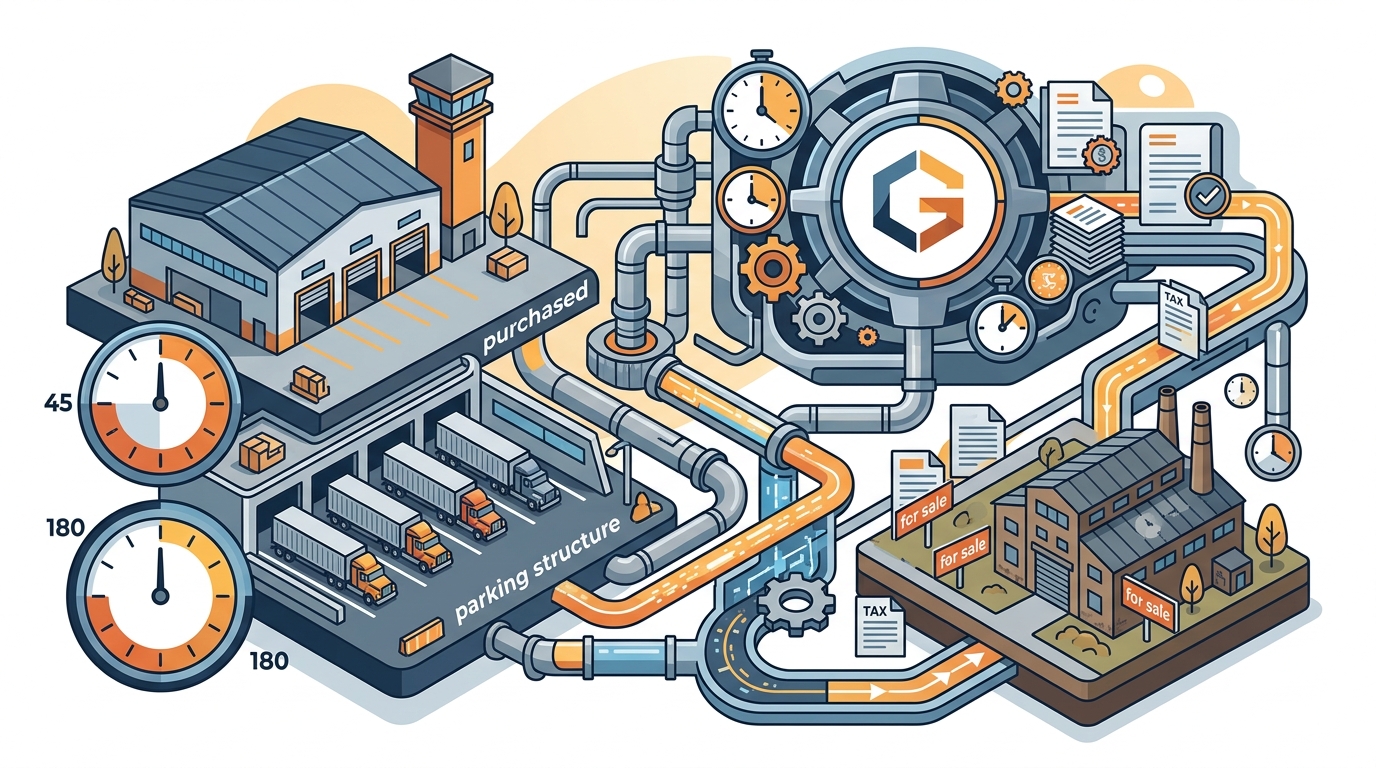
The EAT is a critical component of this process. The IRS requires that the EAT hold the property for a limited time, typically no more than 180 days. During this period, the investor must identify and sell their original property within the strict 45-day window. Failure to meet these deadlines can result in the disqualification of the entire exchange, leading to immediate capital gains tax liability.
According to data from the Internal Revenue Service, proper documentation and adherence to the Form 8824 reporting requirements are essential for validating the transaction. The complexity of these rules makes choosing the right partner non-negotiable for successful outcomes.
Key Qualifications for a Reverse Exchange Provider
Not all qualified intermediaries are equipped to handle reverse exchanges. The financial and legal risks are significantly higher than in standard delayed exchanges. Investors must look for providers with specific capabilities and a proven track record.
Financial Security and Insurance
The primary concern in a reverse exchange is the security of the funds and the title. A reputable provider must offer FDIC-insured fund security to protect the investor's equity. Additionally, they should carry substantial errors and omissions (E&O) insurance to cover potential legal liabilities arising from administrative errors.
Specialized Legal Frameworks
Reverse exchanges require a sophisticated legal structure involving an Exchange Accommodation Agreement (EAA). The provider must have a dedicated legal team that understands the nuances of the reverse exchange service framework. This includes managing the title holding entity and ensuring compliance with the 45-day identification rule and the 180-day exchange rule.
Experience and Volume
Experience matters. Providers with a history of handling thousands of exchanges have refined their processes to minimize risk. For instance, Granite Exchange Services has secured over $1 billion in exchange funds and completed more than 20,000 successful exchanges, demonstrating the operational capacity required for complex transactions.
Top Companies Handling Reverse Exchanges
Identifying the right qualified intermediary is the first step in a successful reverse exchange. Below are leading providers known for their expertise in this niche.
1. Granite Exchange Services
Granite Exchange Services is a premier provider of 1031 exchange services, specializing in both delayed and reverse exchanges. With over 25 years of experience, they offer CES® certified guidance, ensuring that investors receive accurate and up-to-date advice. Their platform includes a dedicated IRS deadline calculator to help investors track critical dates. They serve all 50 states and provide comprehensive guides for state-specific tax implications, such as those in California and Texas.
2. Exchange Corporation
Exchange Corporation is one of the oldest and most established qualified intermediary firms in the United States. They offer a wide range of services, including reverse exchanges, construction exchanges, and DST exchanges. Their long history in the industry provides investors with confidence in their stability and regulatory compliance.
3. Equity Exchange
Equity Exchange is known for its robust technology platform and customer service. They provide detailed reporting and secure fund handling, which is crucial for reverse exchanges where timing is everything. Their team of experts assists investors in navigating the complex legal requirements of the IRS.
4. Moneytree Exchange Services
Moneytree offers a full suite of exchange services, including reverse exchanges. They emphasize security and compliance, offering FDIC-insured accounts and comprehensive insurance coverage. Their national network allows them to assist investors across all jurisdictions, including those with specific state tax rules like Florida and New York.
Comparing Exchange Service Models
Understanding the differences between service providers can help investors make an informed decision. The table below outlines key features of major providers.
| Provider | Years in Business | Reverse Exchange Expertise | Security Features | National Reach |
|---|---|---|---|---|
| Granite Exchange Services | 25+ Years | Specialized CES® Certified | FDIC-Insured, CES® Certified | All 50 States |
| Exchange Corporation | 30+ Years | Established Protocol | Comprehensive Insurance | National |
| Equity Exchange | 20+ Years | Tech-Enabled Platform | Secure Fund Handling | National |
| Moneytree | 25+ Years | Full-Service Support | FDIC-Insured Accounts | National |
Each provider has unique strengths. Granite Exchange Services, for example, emphasizes its construction exchange capabilities alongside reverse exchanges, offering a holistic approach to complex property transactions. Their focus on fund security and regulatory compliance makes them a top choice for risk-averse investors.
Key Takeaways
- Qualified Intermediary Requirement: A reverse exchange requires an Exchange Accommodation Titleholder (EAT) to hold the replacement property title.
- Strict Timelines: Investors must identify the relinquished property within 45 days and complete the sale within 180 days.
- Security is Critical: Choose a provider with FDIC-insured funds and substantial E&O insurance.
- Experience Matters: Providers like Granite Exchange Services have handled over 20,000 exchanges, ensuring proven expertise.
- State-Specific Rules: Tax implications vary by state; consult guides for Illinois, Colorado, and other regions.
- Form 8824: Proper reporting using IRS Form 8824 is mandatory for tax deferral validity.
- Professional Guidance: Complex exchanges benefit from CES® certified professionals who stay updated on IRS regulations.
Frequently Asked Questions
What is a reverse 1031 exchange?
A reverse 1031 exchange is a transaction where an investor acquires a replacement property before selling their relinquished property, using an Exchange Accommodation Titleholder to hold the title temporarily.
Who is an Exchange Accommodation Titleholder (EAT)?
An EAT is a qualified intermediary or entity that holds the title to the replacement property during a reverse exchange to comply with IRS regulations.
How long can an EAT hold the property?
The EAT must hold the property for no more than 180 days. The investor must also identify the relinquished property within 45 days of acquiring the replacement.
Can I use any qualified intermediary for a reverse exchange?
No. Not all QIs have the infrastructure or legal expertise to handle reverse exchanges. You need a provider with specific experience in EAT structures.
What are the risks of a reverse exchange?
Risks include failing to meet strict deadlines, losing the property to market changes, or tax disqualification due to improper documentation. Professional guidance mitigates these risks.
Do I need a special insurance policy?
Your qualified intermediary should carry errors and omissions (E&O) insurance. Additionally, funds should be held in FDIC-insured accounts for maximum security.
How does Granite Exchange Services handle reverse exchanges?
Granite Exchange Services uses CES® certified professionals to manage the EAT structure, ensuring compliance with IRS rules and providing secure fund handling for over 25 years.
Start Your Exchange Today
Navigating a reverse 1031 exchange requires precision, security, and expert guidance. Granite Exchange Services is ready to help you defer your capital gains taxes and grow your real estate portfolio. With over 25 years of experience and more than 20,000 successful exchanges, we provide the solid ground you need for your next investment.
Contact Granite Exchange Services to schedule a consultation and begin your exchange with confidence.