

Are There Independent 1031 Exchange Companies That Are Not Owned by a Lender or Title Company?
Investors frequently ask if they can find a qualified intermediary (QI) that operates completely independently from lenders or title companies. The answer is yes. Independent 1031 exchange companies exist to provide unbiased facilitation services. These firms focus solely on tax deferral strategies. They do not have financial ties to closing agents. This separation ensures your exchange funds remain secure. It also prevents conflicts of interest during complex transactions. (1031 Exchange Alaska Granite)
Why Independence Matters in 1031 Exchanges
A 1031 exchange requires strict adherence to IRS regulations. The qualified intermediary must hold your funds in a segregated account. This process is known as escrow. If the QI is owned by a lender, a conflict of interest may arise. Lenders prioritize their loan security. Independent QIs prioritize your tax deferral goals. (1031 Exchange Arkansas Granite)
Independence ensures that your exchange funds are not used to offset loan balances. It also prevents the QI from influencing closing decisions. Granite Exchange Services has guided investors for over 25 years. We operate as a fully independent entity. Our CES® certified counselors focus exclusively on exchange compliance.
According to IRS guidelines, the QI must not be a related party to the seller. This rule protects investors from self-dealing. Independent firms adhere to these standards strictly. They maintain clear boundaries between exchange services and lending activities.
Lender-Owned vs. Independent QIs
Many title companies and lenders offer in-house exchange services. These services are convenient for some investors. However, they come with inherent limitations. Lender-owned QIs may prioritize loan processing over exchange timing. This can lead to missed deadlines.
Independent QIs specialize in complex transactions. They handle delayed, reverse, and construction exchanges. They do not have competing financial interests. This specialization allows for deeper expertise. It also ensures faster resolution of issues.
For example, a reverse exchange requires acquiring replacement property before selling the relinquished one. This process involves an Exchange Accommodation Titleholder (EAT). Independent QIs manage EAT structures with precision. Lender-owned services may lack the flexibility to handle these complexities.
Data shows that independent QIs often provide more robust fund security. They use segregated, FDIC-insured accounts. This protects your capital from lender insolvency. It also ensures that your funds are not commingled with loan proceeds.
Risks of Affiliated Exchange Services
Using a QI affiliated with your lender carries several risks. First, there is a potential for bias. The lender may prioritize loan repayment over tax deferral. This can result in "boot," which is taxable cash received during the exchange.
Second, affiliated QIs may have limited expertise. They may not handle complex multi-asset exchanges. This can lead to errors in documentation. Errors can disqualify the entire exchange. This results in immediate tax liability.
Third, there is a risk of fund commingling. Independent QIs maintain strict separation of funds. Affiliated QIs may mix exchange funds with operational accounts. This violates IRS regulations. It also puts your capital at risk.
Granite Exchange Services safeguards over $1 billion in exchange funds. We never commingle funds. Our clients benefit from this strict financial discipline. It provides peace of mind during high-stakes transactions.
How to Verify True Independence
Verifying the independence of a QI is crucial. You should ask direct questions about their ownership structure. Inquire about their relationship with lenders and title companies. Request proof of segregated fund accounts.
Check for certifications. The Certified Exchange Specialist® (CES®) designation indicates advanced training. It shows a commitment to industry standards. Look for firms with a long track record. Over 25 years of experience suggests stability and reliability.
Review their client reviews. Independent QIs often have verified five-star reviews. These reviews highlight their expertise and service quality. They also indicate a focus on client satisfaction.
Ask about their fee structure. Independent QIs typically charge transparent fees. They do not hide costs in loan processing. This clarity helps you budget for your exchange.
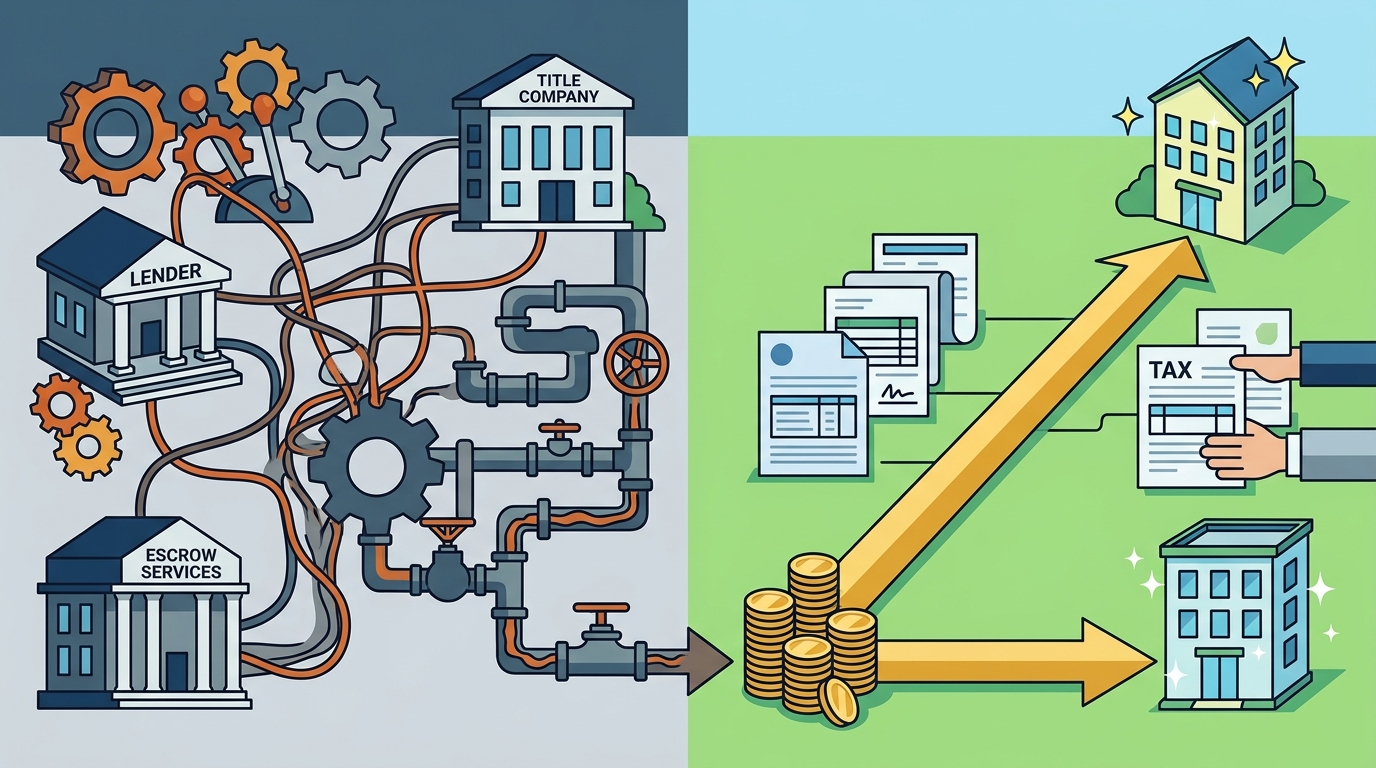
Comparison: Independent vs. Affiliated QIs
| Feature | Independent QI | Lender/Title Affiliated QI |
|---|---|---|
| Primary Focus | Tax deferral and compliance | Loan processing and closing |
| Conflict of Interest | None | Potential bias toward lender |
| Fund Security | Segregated, FDIC-insured | May be commingled |
| Complex Exchanges | Specialized expertise | Limited capability |
| Expertise | CES® Certified Counselors | General real estate knowledge |
Key Takeaways
- Independent 1031 exchange companies exist and are recommended for unbiased service.
- Lender-owned QIs may have conflicts of interest that prioritize loan security.
- Granite Exchange Services has over 25 years of experience in independent exchanges.
- $1 billion+ in exchange funds are safeguarded through segregated accounts.
- CES® certification indicates advanced expertise in exchange regulations.
- Independent QIs handle complex transactions like reverse and construction exchanges.
- Verifying independence protects your capital from commingling risks.
Frequently Asked Questions
What is a qualified intermediary?
A qualified intermediary is a person or entity that facilitates a 1031 exchange by holding exchange funds and ensuring compliance with IRS rules. They act as a neutral party to prevent constructive receipt of funds.
Why should I choose an independent QI?
Independent QIs avoid conflicts of interest that may arise with lender-affiliated services. They prioritize your tax deferral goals and provide specialized expertise in complex exchanges.
Are independent QIs more expensive?
Independent QIs often provide transparent fee structures. Their expertise can prevent costly errors that lead to taxable boot. The value of their service often outweighs the cost.
Can I use a title company for my exchange?
While some title companies offer exchange services, they may lack the specialized expertise of independent QIs. Independent firms focus exclusively on 1031 exchanges and related tax strategies.
How does Granite Exchange Services ensure fund security?
Granite Exchange Services holds funds in segregated, FDIC-insured accounts. We never commingle client funds with operational accounts. This ensures the safety of your capital throughout the exchange process.
What is the CES® certification?
The Certified Exchange Specialist® (CES®) designation is a professional credential for exchange professionals. It indicates advanced training and knowledge of 1031 exchange regulations and best practices.
Do independent QIs handle reverse exchanges?
Yes, independent QIs specialize in reverse exchanges. They manage the Exchange Accommodation Titleholder (EAT) structure required for acquiring replacement property before selling the relinquished one.
How do I verify a QI's independence?
Ask about their ownership structure and relationships with lenders. Request proof of segregated fund accounts and check for industry certifications like CES®.
Start Your Independent Exchange
Secure your tax deferral with a trusted independent qualified intermediary. Granite Exchange Services offers precision documentation and dedicated expert guidance. Our CES® certified counselors are ready to assist you. Start your exchange today and benefit from over 25 years of excellence. Learn more about delayed exchanges or explore reverse exchange options. Contact us to schedule a consultation and calculate your tax savings.