

Investors face a critical juncture when selling investment property: the choice of a Qualified Intermediary (QI) determines whether tax deferral succeeds or fails. According to recent industry data, over 20,000 successful exchanges are processed annually by top-tier providers, securing more than $1 billion in funds. This volume highlights the importance of selecting a partner with proven infrastructure. A reliable QI does not merely hold funds; it actively manages complex IRS deadlines, ensures strict compliance with Treas. Reg. §1.1031(k)-1, and provides the legal insulation necessary to protect your capital gains.
Defining the Qualified Intermediary Role
A Qualified Intermediary is a qualified person who enters into a qualified intermediary agreement with the taxpayer and facilitates an exchange. Qualified Intermediary is a specific IRS-defined role that requires the entity to not be the taxpayer's agent at the time of the exchange. This distinction is vital because it prevents the IRS from viewing the seller as having constructive receipt of the sale proceeds.
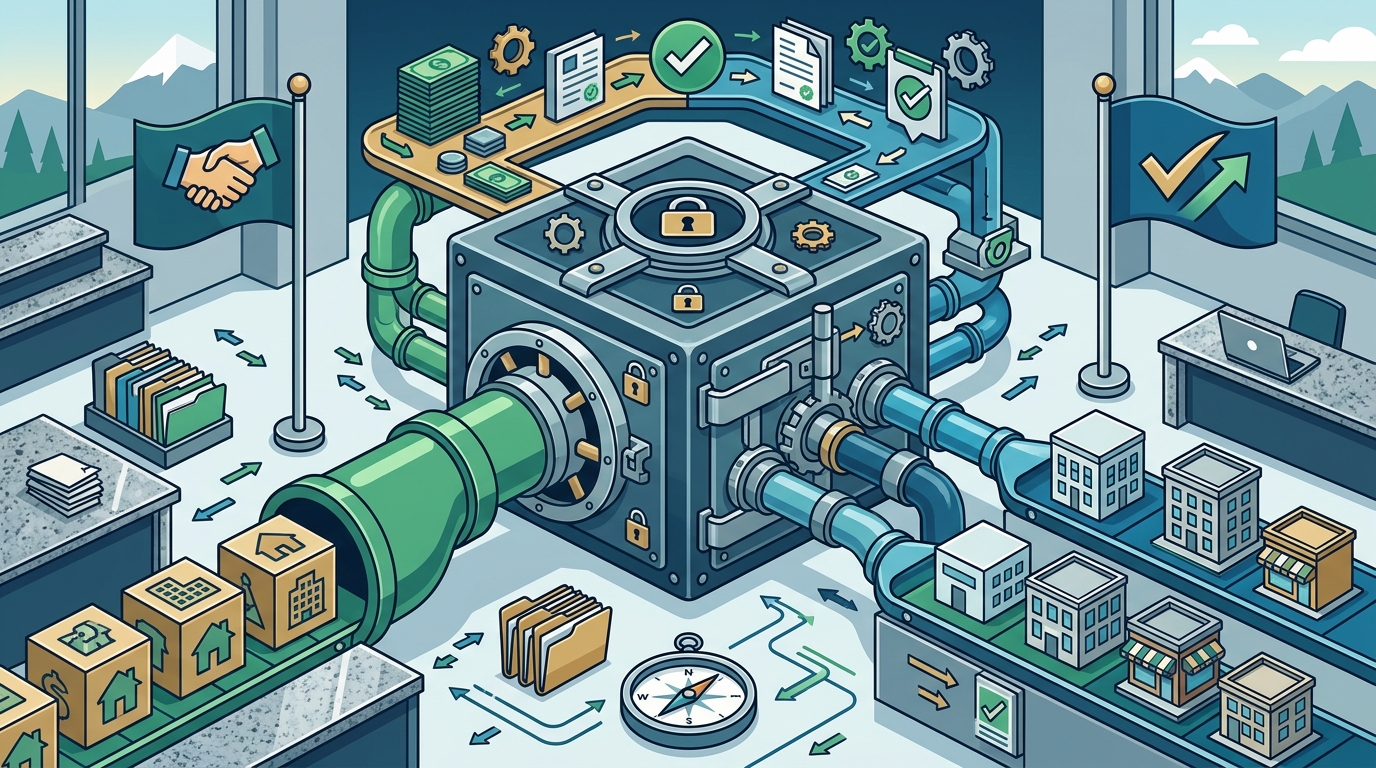
Without a QI, the transaction is treated as a standard sale, triggering immediate capital gains taxes. The QI acts as the middleman, holding the funds from the relinquished property and transferring them to the seller of the replacement property. This process ensures that the investor never touches the money, thereby maintaining the tax-deferred status of the transaction. The reliability of this process depends entirely on the QI's adherence to strict procedural timelines and legal documentation.
Essential Credentials and Certifications
Not all entities can serve as a QI. While the IRS does not license QIs, industry standards have established rigorous certification bodies that signal reliability. The most prominent of these is the Exchange Specialist Certification (CES®). CES® certification is a professional designation awarded to individuals who have demonstrated advanced knowledge of 1031 exchange regulations, case law, and operational best practices.
When evaluating a QI, look for organizations where the counselors hold this certification. It indicates a commitment to ongoing education and regulatory compliance. For instance, Granite Exchange Services employs CES® certified counselors who guide investors through complex scenarios. This level of expertise is crucial for navigating the nuances of the 45-day identification rule and the 180-day exchange period. Investors should verify these credentials directly, as they serve as a primary indicator of professional competence.
Fund Security and Financial Stability
The safety of your exchange funds is the paramount concern when selecting a QI. A reliable intermediary must segregate client funds from its own operating capital. Segregated accounts are bank accounts dedicated solely to holding exchange funds, ensuring that client money is never commingled with corporate assets. This separation protects your capital in the event of the QI's financial distress or bankruptcy.
Furthermore, funds should be held in FDIC-insured accounts. This insurance provides an additional layer of protection, covering deposits up to the legal limit. Investors should inquire about the specific banking partners used by the QI and the extent of their insurance coverage. For example, Granite Exchange Services safeguards over $1 billion in exchange funds using segregated, FDIC-insured accounts. This scale of operation suggests robust risk management protocols and institutional-grade security measures.
Exchange Service Versatility
Real estate transactions vary widely in complexity. A reliable QI must offer a comprehensive suite of exchange structures to accommodate different investor goals. The standard delayed exchange is the most common, but it is not the only option. Delayed exchange is a transaction structure where the relinquished property is sold first, followed by the identification and acquisition of replacement property within IRS deadlines.
Beyond delayed exchanges, sophisticated investors may require reverse exchanges, construction exchanges, or Delaware Statutory Trust (DST) options. A reverse exchange allows the acquisition of replacement property before the sale of the relinquished property, a complex maneuver requiring an Exchange Accommodation Titleholder (EAT). Construction exchanges permit the use of exchange proceeds to build or improve the replacement property. DST exchanges offer passive fractional ownership in institutional real estate. The ability to handle these diverse structures indicates a QI's operational depth and technical capability.
Comparing QI Service Models
Choosing the right QI involves comparing how different providers structure their services and support. The table below outlines the key differences between common exchange types and the operational requirements for each.
| Exchange Type | Primary Use Case | Key Deadline | Complexity Level |
|---|---|---|---|
| Delayed Exchange | Standard property swap | 45 days to identify | Low |
| Reverse Exchange | Buy before sell | 180 days to close | High |
| Construction Exchange | Build/improve property | 180 days to complete | High |
| DST Exchange | Passive investment | Varies by trust | Medium |
Understanding these differences is critical. For example, a reverse exchange requires precise timing and legal documentation to ensure the EAT holds title correctly. A construction exchange demands rigorous oversight of improvement timelines. Investors should select a QI that not only offers these services but has a proven track record of executing them successfully. Look for providers with decades of experience, such as those with over 25 years in the industry and thousands of closed exchanges.
Key Takeaways for Investors
- Certification Matters: Prioritize QIs with CES® certified counselors who understand complex regulations.
- Security First: Ensure funds are held in segregated, FDIC-insured accounts to prevent commingling.
- Experience Counts: Look for providers with 25+ years of experience and 20,000+ successful exchanges.
- Service Range: Verify the QI can handle delayed, reverse, construction, and DST exchanges.
- Transparency: Choose a QI that provides clear guides and calculators for IRS deadlines.
- State Compliance: Ensure the QI understands state-specific tax implications, such as Alabama's 5% income tax.
- Client Support: Opt for a provider with verified five-star reviews and dedicated expert guidance.
Frequently Asked Questions
What is a Qualified Intermediary?
A Qualified Intermediary is a qualified person who enters into a qualified intermediary agreement with the taxpayer and facilitates an exchange. They hold the proceeds from the sale of the relinquished property to ensure the investor does not have constructive receipt of the funds.
How do I verify a QI's reliability?
Verify a QI's reliability by checking for CES® certification, confirming the use of segregated FDIC-insured accounts, and reviewing their track record of successful exchanges. Look for providers with over 25 years of experience and substantial assets under management.
What is the difference between a delayed and reverse exchange?
A delayed exchange involves selling the relinquished property first, then identifying and acquiring replacement property within 45 and 180 days, respectively. A reverse exchange allows the acquisition of the replacement property before selling the relinquished property, using an Exchange Accommodation Titleholder.
Are exchange funds insured?
Reliable QIs hold funds in segregated, FDIC-insured accounts. This ensures that client funds are protected and not commingled with the QI's operating capital. Investors should confirm the specific insurance coverage limits with their provider.
Can a QI help with construction exchanges?
Yes, many QIs offer construction exchange services. These allow investors to use exchange proceeds to build or improve the replacement property, provided the improvements are completed within the 180-day exchange period.
What is a Delaware Statutory Trust (DST)?
A Delaware Statutory Trust is a legal entity that holds title to real estate. Investors can purchase fractional interests in DSTs as replacement properties in a 1031 exchange, allowing for passive investment in institutional-quality real estate.
Do I need a QI for a 1031 exchange?
Yes, a QI is required for a standard 1031 exchange. The IRS mandates that the taxpayer cannot have actual or constructive receipt of the sale proceeds. A QI facilitates the exchange by holding the funds and ensuring compliance with IRS regulations.
How long do I have to identify replacement property?
You have 45 calendar days from the date of transfer of the relinquished property to identify potential replacement properties. This deadline is strict and cannot be extended, even if the 45th day falls on a weekend or holiday.
Start Your Exchange Today
Securing your financial future requires more than just a good property; it requires a reliable partner. Granite Exchange Services has guided investors through over 20,000 successful exchanges for more than 25 years. Our CES® certified counselors provide the precision documentation and expert guidance needed to navigate complex 1031 regulations. Do not leave your tax deferral to chance. Start your exchange with Granite Exchange Services today and ensure your capital is protected by industry-leading security and expertise.