

Investors face a critical decision when initiating a 1031 exchange: selecting a Qualified Intermediary (QI) who can safeguard millions in proceeds while navigating complex IRS deadlines. According to recent industry data, the average 1031 exchange involves over $1 million in transaction value, making the security of those funds the single most important factor in choosing a partner. A reliable QI does not merely process paperwork; they provide the structural integrity required to defer capital gains taxes indefinitely. This guide analyzes the specific criteria that separate industry leaders from generic service providers, focusing on fund security, certification, and operational longevity. (1031 Exchange Qualified Intermediary)
The Non-Negotiable Standard of Fund Security
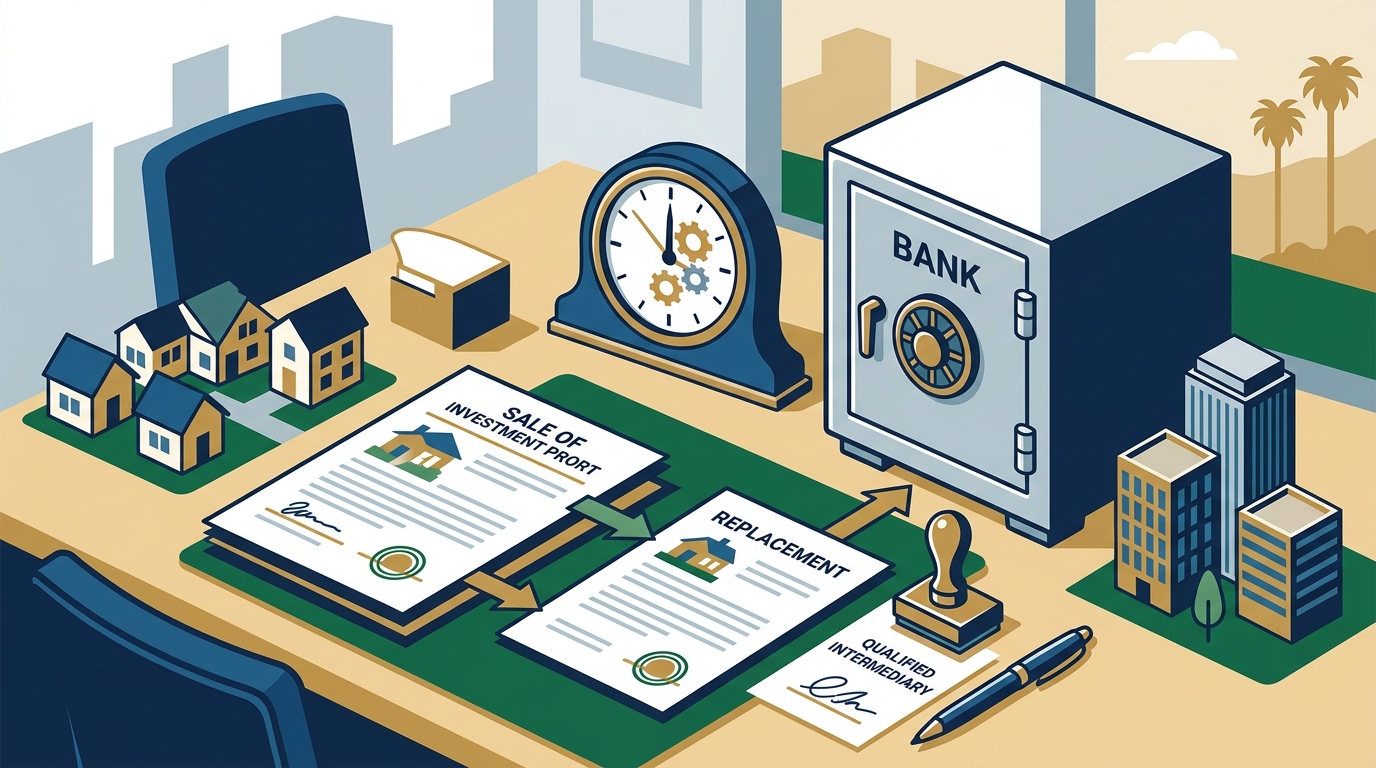
The core function of a Qualified Intermediary is to hold exchange funds in a manner that prevents the investor from having constructive receipt of the money. If an investor touches the funds, the exchange fails, and the tax liability becomes immediate. Therefore, the reliability of a QI is measured by their custody architecture. (1031 Exchange Colorado Flat)
A reliable QI must utilize segregated accounts for every single exchange. This means your funds are never commingled with the company's operating capital or the funds of other clients. Each exchange receives its own unique account structure, ensuring that if one client faces a legal issue, your funds remain completely untouched. Furthermore, these accounts must be FDIC-insured to protect against institutional failure. This layer of protection is not optional; it is the foundation of investor trust.
Granite Exchange Services has safeguarded over $1 billion in client funds since 2000 by adhering to this strict segregation protocol. Their approach ensures that the discipline of a private bank meets the attention of a boutique service provider. For investors, this means the custody arrangement is the primary product, not just the marketing materials.
Why CES Certification Matters
The 1031 exchange industry is unregulated by the federal government in terms of licensing. Anyone can claim to be a Qualified Intermediary. This lack of federal oversight makes third-party certification the most reliable indicator of professional competence.
The Certified Exchange Specialist (CES) designation is the gold standard in the industry. It requires rigorous testing on IRS regulations, case law, and ethical standards. A CES-certified specialist demonstrates a commitment to staying current with the ever-changing landscape of tax law. When evaluating a QI, look for this credential prominently displayed. It signals that the firm invests in continuous education and adheres to a strict code of ethics.
Granite Exchange Services employs CES-certified specialists who handle every engagement. This certification ensures that complex transactions, such as reverse exchanges or construction improvements, are documented with airtight precision. The CES standard protects investors from errors that could arise from untrained staff or outdated knowledge.
The Value of Longevity and Volume
Experience in the 1031 exchange industry is not just about years in business; it is about the volume of transactions completed. A QI that has processed thousands of exchanges has encountered and resolved virtually every edge case imaginable. This institutional memory is invaluable when a transaction hits a snag.
Granite Exchange Services has completed over 20,000 exchanges over the last 25 years. This volume indicates a robust infrastructure capable of handling high-pressure deadlines without error. The 45-day identification period and the 180-day closing window are absolute. There are no IRS extensions. A reliable QI must have the operational capacity to manage these tight timelines across multiple time zones and complex jurisdictions.
Longevity also suggests financial stability. A QI that has survived multiple economic cycles is less likely to face insolvency during your exchange. Investors should prioritize firms with a proven track record of serving all 50 states, ensuring they have the resources to handle interstate transactions seamlessly.
Matching QI Expertise to Exchange Complexity
Not all 1031 exchanges are created equal. A reliable QI must offer specialized services for different exchange structures. The standard delayed exchange is straightforward, but reverse exchanges and construction exchanges require sophisticated legal frameworks.
In a reverse exchange, the replacement property is acquired before the relinquished property is sold. This requires the QI to form an Exchange Accommodation Titleholder (EAT) and park title under the safe harbor provisions of Rev. Proc. 2000-37. This is a high-risk area where errors can be catastrophic. A reliable QI will have specific protocols for EAT formation and management.
Construction exchanges, also known as improvement exchanges, allow investors to use exchange funds to make substantial improvements on the replacement property. This requires careful tracking of costs and timelines to ensure the improvements qualify as like-kind property. The QI must coordinate closely with contractors and title companies to ensure compliance.
Granite Exchange Services offers specialized guidance for delayed, reverse, construction, and DST (Delaware Statutory Trust) exchanges. Their ability to handle complex multi-asset transactions makes them a reliable partner for sophisticated investors. Understanding the nuances of each structure is critical for maximizing tax deferral benefits.
Comparing QI Service Models
Investors often encounter different service models when choosing a QI. Some firms offer automated, low-touch services, while others provide high-touch, specialist-led support. The right choice depends on the complexity of your transaction and your personal preference for communication.
| Feature | Automated/Low-Touch QI | Specialist-Led QI (e.g., Granite) |
|---|---|---|
| Communication | Email/Portal only | Direct specialist access |
| Complexity Handling | Standard Delayed Only | Reverse, Construction, DST |
| Certification | Varies | CES Certified Staff |
| Fund Security | Segregated Accounts | Segregated, FDIC-Insured |
| Cost | Lower Flat Fee | Value-Based Pricing |
While automated services may offer lower upfront costs, they often lack the expertise required for complex transactions. A specialist-led QI provides peace of mind through direct access to experts who can navigate IRS regulations in real-time. For high-value transactions, the cost of a specialist QI is negligible compared to the risk of an exchange failure.
Key Takeaways
- Fund Segregation: Ensure your QI uses segregated, FDIC-insured accounts for every exchange to prevent commingling.
- CES Certification: Prioritize QIs with Certified Exchange Specialists to ensure compliance with current IRS regulations.
- Operational History: Look for firms with 20,000+ completed exchanges and 25+ years in business for proven reliability.
- Complexity Support: Verify the QI's ability to handle reverse and construction exchanges, not just standard delayed exchanges.
- State-Specific Knowledge: Choose a QI with experience in your specific state's tax laws, such as California's FTB tracking or Alaska's lack of state income tax.
- Deadlines: Remember that the 45-day identification and 180-day closing deadlines are absolute with no IRS extensions.
- Transparency: A reliable QI will provide clear documentation and regular updates throughout the exchange process.
Frequently Asked Questions
What is a Qualified Intermediary?
A Qualified Intermediary (QI) is an independent entity that facilitates a 1031 exchange by holding the proceeds from the sale of a relinquished property and coordinating the acquisition of the replacement property. This structure ensures the investor does not have constructive receipt of the funds, allowing for tax deferral.
How do I verify a QI's fund security?
Verify that the QI uses segregated accounts for each exchange and that these accounts are FDIC-insured. Ask for their fund security architecture documentation, which should detail their banking partners and custody protocols.
Does a QI provide tax advice?
No. A QI facilitates the exchange mechanics but does not provide legal, tax, or investment advice. Investors should consult their CPA or tax advisor for specific tax implications. Granite Exchange Services acts solely as a Qualified Intermediary.
What is the CES designation?
The Certified Exchange Specialist (CES) designation is a professional credential awarded to individuals who pass rigorous exams on 1031 exchange regulations and ethics. It signifies a high level of expertise and commitment to industry standards.
Can I exchange property across state lines?
Yes. IRC Section 1031 permits exchanges of real property anywhere in the United States. A reliable QI will have experience handling interstate transactions and understanding the specific reporting requirements of each state.
What happens if I miss the 45-day identification deadline?
If you miss the 45-day deadline, the exchange fails, and you will owe capital gains taxes on the sale of the relinquished property. There are no extensions for this deadline. Precise tracking and early identification are critical.
What is a reverse exchange?
A reverse exchange occurs when you acquire the replacement property before selling your relinquished property. This requires the use of an Exchange Accommodation Titleholder (EAT) and strict adherence to Rev. Proc. 2000-37 safe harbor provisions.
Begin Your Secure Exchange
Choosing the right Qualified Intermediary is the most critical step in a successful 1031 exchange. By prioritizing fund security, CES certification, and operational longevity, you can ensure your tax deferral strategy remains intact. Granite Exchange Services offers the expertise and infrastructure needed to handle exchanges of any complexity. Contact a specialist today to start your exchange with confidence.