
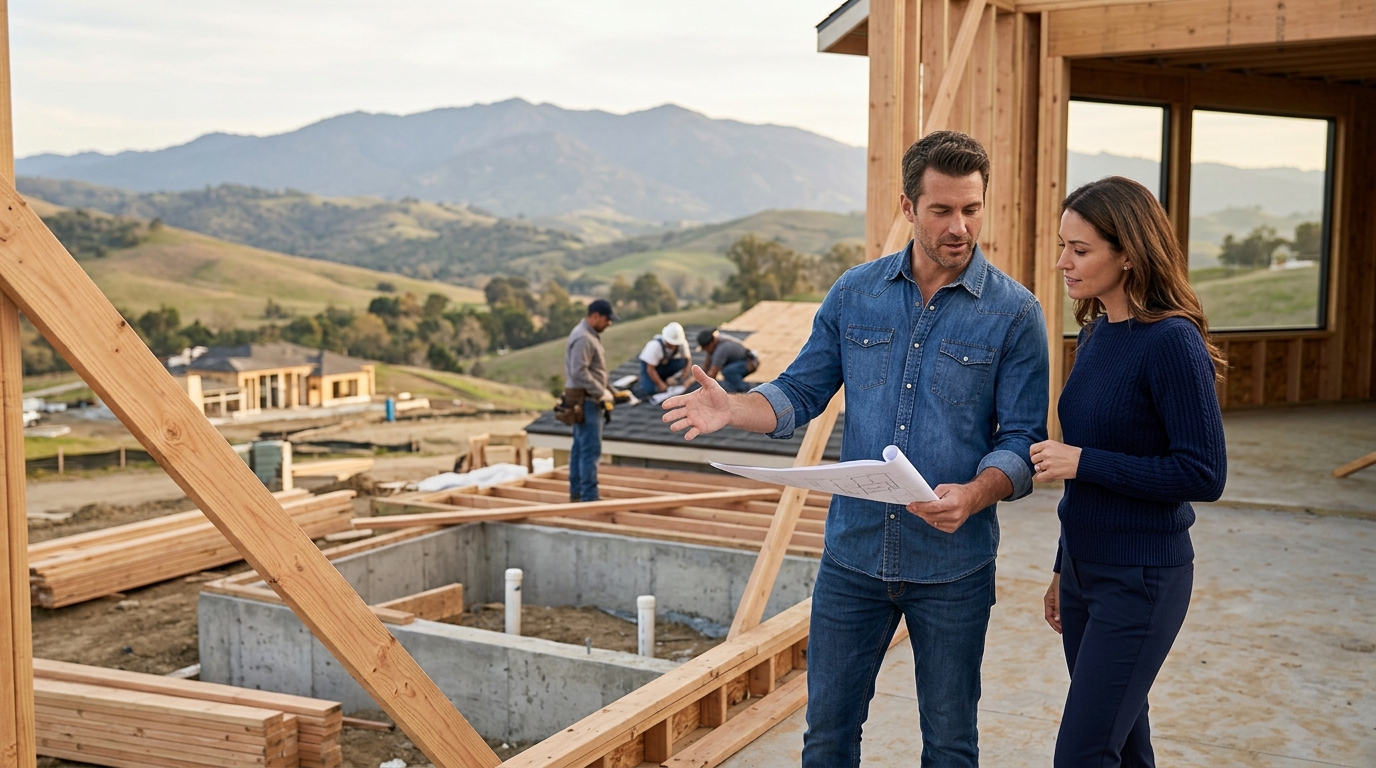
A 1031 construction exchange allows investors to defer capital gains taxes by selling a property and using the proceeds to build or significantly improve a replacement property. This structure is critical for investors who want to upgrade their asset base without triggering an immediate tax liability. Granite Exchange Services, a licensed Qualified Intermediary based in Granite Bay, California, guides clients through this complex process. By acting as a neutral third party, the firm ensures that the exchange remains compliant with IRS regulations while managing the unique timing and funding challenges associated with construction projects. For additional details, review the 1031 Exchange Nevada Zero.
Understanding Construction Exchanges
A construction exchange is a specific type of 1031 exchange where the replacement property is not yet built or is undergoing significant renovation. The IRS treats this as a like-kind exchange, provided the final property qualifies as real estate. This structure is distinct from a standard forward exchange because the replacement property is in a state of flux during the exchange period. Investors often use this method to move from an older, less efficient property to a newer, higher-value asset. The key is that the construction must be substantial enough to be considered a new property or a major improvement.
Qualifying Improvements
Not all renovations qualify for a 1031 construction exchange. The IRS requires that the improvements be substantial and not merely cosmetic. For example, adding a new wing to a building or converting a single-family home into a multi-unit apartment complex typically qualifies. Simple repairs, such as painting or replacing a roof, do not. The goal is to ensure that the replacement property is a distinct, new asset. This distinction is crucial for maintaining the tax deferral benefit.
The 45-Day Identification Rule
The 45-day identification rule is a strict deadline that applies to all 1031 exchanges, including construction exchanges. Within 45 days of selling the relinquished property, the investor must identify the replacement property. In a construction exchange, this can be challenging because the property may not be fully built. However, the investor can identify the land or the partially constructed property. The identification must be specific and in writing. Failure to meet this deadline disqualifies the entire exchange, resulting in immediate tax liability. For additional details, review the 1031 Exchange Colorado Flat.
Identifying Land vs. Completed Property
Funding and Construction Timeline
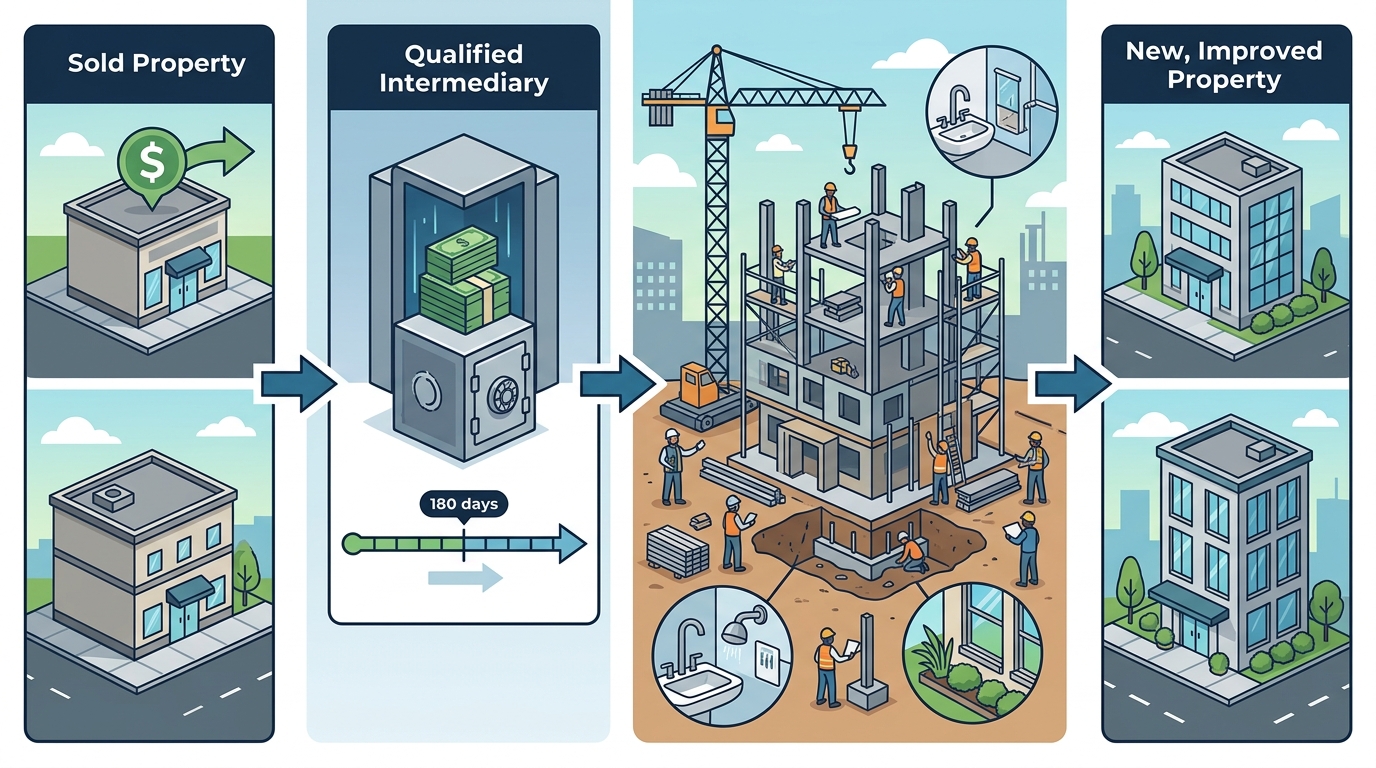
The funding and construction timeline is the most complex aspect of a 1031 construction exchange. The investor must complete the construction within the 180-day exchange period. This means that the building must be finished and the title transferred to the investor within 180 days of the sale. If the construction takes longer, the investor may need to use a reverse exchange or a park-and-build strategy. These strategies allow the investor to take title to the land first and then build on it. The Qualified Intermediary holds the exchange funds in a segregated account, ensuring that the investor does not have constructive receipt of the funds. For additional details, review the 1031 Exchange Illinois Flat.
Managing Construction Costs
Construction costs can exceed the proceeds from the sale of the relinquished property. In such cases, the investor may need to add additional funds to the exchange. This is known as boot, and it is taxable. To minimize boot, investors should carefully budget their construction costs. They should also consider using a construction loan to cover any shortfalls. The Qualified Intermediary can help structure the funding to ensure that the exchange remains compliant. Proper planning is essential to avoid unexpected tax liabilities.
Compliance and Documentation
Role of the Qualified Intermediary
The Qualified Intermediary is responsible for ensuring that the exchange complies with IRS regulations. This includes holding the exchange funds, preparing the necessary paperwork, and coordinating with the construction contractor. The Qualified Intermediary must be independent and neutral, meaning they cannot be affiliated with the title company, escrow company, or lender. This independence is crucial for maintaining the integrity of the exchange. Granite Exchange Services, for example, operates as an independent Qualified Intermediary, providing clients with direct access to a knowledgeable team. This hands-on approach ensures that clients receive personalized guidance throughout the exchange process.
Key Takeaways
- A 1031 construction exchange allows investors to defer taxes by building or improving a replacement property.
- The 45-day identification rule requires investors to identify the replacement property within 45 days of the sale.
- Construction must be completed within the 180-day exchange period to maintain tax deferral.
- Substantial improvements qualify for a 1031 exchange, but cosmetic repairs do not.
- Proper documentation and compliance are essential to protect the exchange from IRS scrutiny.
- Working with an independent Qualified Intermediary ensures that the exchange is structured correctly.
Frequently Asked Questions
What is a 1031 construction exchange?
A 1031 construction exchange is a tax-deferred exchange where the replacement property is built or significantly improved using the proceeds from the sale of the relinquished property.
How long does a construction exchange take?
A construction exchange must be completed within 180 days of the sale of the relinquished property. This includes the time needed to identify the replacement property and complete the construction.
Can I use a construction loan in a 1031 exchange?
Yes, investors can use a construction loan to cover any shortfalls in the exchange funds. However, any additional funds added to the exchange are considered boot and are taxable.
What qualifies as a substantial improvement?
Who is a Qualified Intermediary?
A Qualified Intermediary is a third-party entity that facilitates a 1031 exchange by holding the exchange funds and preparing the necessary paperwork. The Qualified Intermediary must be independent and neutral.
What happens if the construction is not completed within 180 days?
If the construction is not completed within 180 days, the exchange is disqualified, and the investor must pay taxes on the gain from the sale of the relinquished property.
Can I identify raw land in a 1031 construction exchange?
Yes, investors can identify raw land as the replacement property if they intend to build on it. The identification must be specific and in writing.