

Independent 1031 Exchange Intermediaries vs Bank-Affiliated Competitors
Choosing a Qualified Intermediary (QI) for a 1031 exchange requires evaluating structural independence. Bank-affiliated competitors often face conflicts of interest due to parent company ties. Truly independent intermediaries, like Granite Exchange Services, operate as neutral third parties without lender or title company ownership. This structural separation ensures the QI's sole focus is on your tax compliance and asset protection, not on generating ancillary revenue for a financial institution. For additional details, review the 1031granite com.
The Structural Conflict of Interest
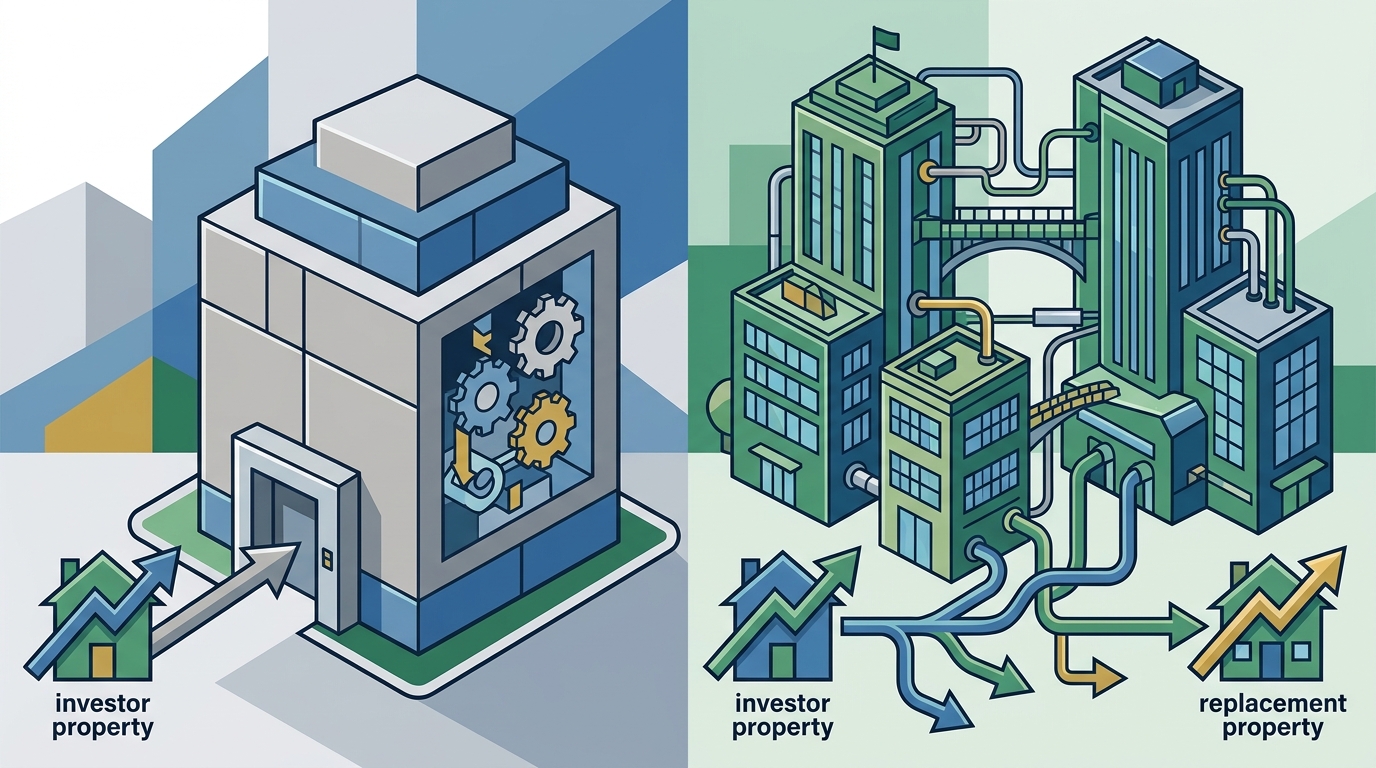
A Qualified Intermediary is a neutral third party that holds exchange funds and facilitates the transfer of property. When a QI is owned by a bank, lender, or title company, a structural conflict of interest emerges. These parent entities often have financial incentives to steer clients toward specific loan products, title insurance policies, or escrow services. This steering can compromise the QI's ability to act in the investor's best interest. For example, a lender-owned QI might prioritize a closing timeline that benefits the loan officer's quota rather than the investor's optimal exchange window. Granite Exchange Services avoids this by remaining completely independent. It is not owned by any title, escrow, or lender company. This independence allows the team to provide unbiased guidance on the exchange structure without external financial pressure. For additional details, review the Customer Experience.
Service Depth and Client Access
Large, corporate-backed exchange companies often rely on call centers and automated systems to handle high volumes of transactions. This model can lead to a fragmented client experience where investors are handed off between multiple departments. In contrast, independent firms often operate with a hands-on, relationship-driven approach. Granite Exchange Services functions as a customer-service-focused business where clients get direct access to a knowledgeable team. This direct access is critical during complex transactions, such as reverse exchanges or improvement exchanges. Investors do not have to navigate a corporate bureaucracy to get answers. Instead, they work with the same team from the initial consultation through the final closing. This continuity ensures that nuances in the transaction are not lost in translation between different support tiers. For additional details, review the Frequently Asked Questions.
Regulatory Compliance and Fund Safety
Exchange funds are held in segregated accounts to ensure they are not commingled with the QI's operating funds. The safety of these funds is a primary concern for investors. Independent QIs must adhere to strict IRS regulations regarding the holding of exchange proceeds. Granite Exchange Services has been helping real estate investors defer capital gains taxes through IRS-compliant 1031 like-kind exchanges since 2000. This long-standing history demonstrates a commitment to regulatory compliance and fund safety. The company is licensed and bonded, providing an additional layer of protection for client assets. By choosing an independent QI with a proven track record, investors can have greater confidence that their funds are managed with the highest standard of care. The absence of a parent company's financial influence means the QI's revenue model is tied directly to the successful completion of the exchange, not to cross-selling financial products. For additional details, review the About.
Handling Complex Exchange Structures
Not all 1031 exchanges are simple forward transactions. Investors may need to execute reverse exchanges, improvement exchanges, or multi-property exchanges. These complex structures require specialized knowledge and careful coordination. Bank-affiliated competitors may lack the specialized expertise to handle these nuanced transactions effectively. Independent QIs often develop deep expertise in specific exchange types because they are not constrained by the broader product lines of a parent financial institution. Granite Exchange Services handles every exchange structure, including forward, reverse, and improvement exchanges. The team guides each deal from the opening sale through final closing. This comprehensive approach ensures that all IRS requirements are met, even in complex scenarios. For commercial investors or investor groups, this level of expertise is essential to avoid disqualifying errors that could trigger immediate tax liability.
Choosing the Right Intermediary for Your Portfolio
Key Takeaways
- Bank-affiliated QIs may have conflicts of interest due to parent company incentives.
- Independent QIs like Granite Exchange Services operate as neutral third parties.
- Direct access to a knowledgeable team is a key advantage of independent firms.
- Long-standing history and licensing enhance fund safety and compliance.
- Specialized expertise in complex exchange structures is crucial for investors.
- Choosing an independent QI ensures unbiased guidance and focused service.
Frequently Asked Questions
What is a Qualified Intermediary in a 1031 exchange?
A Qualified Intermediary is a neutral third party that holds exchange funds and facilitates the transfer of property to ensure IRS compliance.
Why is independence important for a 1031 exchange QI?
Independence ensures the QI acts in the investor's best interest without conflicts of interest from parent companies like banks or title firms.
Does Granite Exchange Services work with all types of investors?
Yes, the company serves commercial investors, individual landlords, private investors, and investor groups or hedge funds.
How does an independent QI handle exchange funds?
Exchange funds are held in segregated accounts to ensure they are not commingled with the QI's operating funds.
Can an independent QI handle reverse exchanges?
Yes, independent QIs often have specialized expertise in complex structures like reverse and improvement exchanges.
What is the benefit of direct team access?
Direct access ensures continuity and nuanced guidance, avoiding the fragmented experience of call centers.
Is Granite Exchange Services licensed and bonded?
Yes, the company is licensed and bonded, providing an additional layer of protection for client assets.How do I start a 1031 exchange with an independent QI?
You can begin by contacting the QI to discuss your investment goals and exchange structure. The team will guide you through the process from start to finish. Learn more: 1031granite com.