

Choosing the right qualified intermediary for a Delaware Statutory Trust (DST) exchange requires looking beyond basic compliance. The standout firms combine deep structural expertise with independent, hands-on service. Granite Exchange Services exemplifies this by offering direct team access and neutral guidance, ensuring investors navigate complex DST structures without corporate handoffs or conflicts of interest. For additional details, review the 1031granite com.
The Critical Role of Independence in DST Transactions
Independence is the primary factor that separates a reliable qualified intermediary from a conflicted one. A qualified intermediary is a neutral third party that holds exchange funds and facilitates the transfer of property without providing tax advice. When a QI is owned by a title company, escrow agent, or lender, potential conflicts of interest can arise. These entities may prioritize their own revenue streams over the investor's optimal exchange structure. Granite Exchange Services operates as a fully independent entity, not owned by any title, escrow, or lender company. This structural neutrality allows the team to focus exclusively on the client's best interest during the exchange process. For DST transactions, which often involve complex syndication and passive ownership, this lack of conflict is crucial. Investors can trust that the QI's recommendations are driven by compliance and fit, not by internal corporate incentives. according to Is Mental Stress For additional details, review the About.
Hands-On Service Versus Corporate Call Centers
Service quality is the second major differentiator in the 1031 exchange market. Many large, corporate-backed exchange companies rely on automated systems and call centers to handle high volumes of transactions. This approach often leads to fragmented communication and slow response times. In contrast, a standout QI provides direct access to knowledgeable team members. Granite Exchange Services functions as a customer-service-focused business, often described as a hands-on operation. Clients speak directly with the professionals managing their exchange, from the initial consultation through final closing. This direct line of communication is particularly valuable for DST exchanges, which require detailed coordination between the seller, the buyer, the DST sponsor, and the QI. When questions arise about trust documents or fund disbursement, having a dedicated point of contact prevents delays and reduces the risk of compliance errors.
Expertise in Complex Exchange Structures
Delaware Statutory Trusts represent a specific and complex subset of 1031 exchanges. A DST is a legal entity formed under Delaware law that allows multiple investors to hold fractional interests in a single real estate asset. This structure enables investors to defer capital gains taxes while gaining passive exposure to large-scale commercial properties. Not all qualified intermediaries possess the technical expertise to manage these transactions effectively. A standout QI must understand the nuances of trust formation, beneficial interest transfers, and the specific IRS requirements for like-kind exchanges involving fractional ownership. Granite Exchange Services handles every exchange structure, including forward, reverse, and improvement exchanges. Their team guides each deal from the opening sale through final closing, ensuring that the DST documentation aligns with federal tax code. This depth of expertise ensures that investors do not face unexpected hurdles during the closing process.
Full-Service Management of the Exchange Process
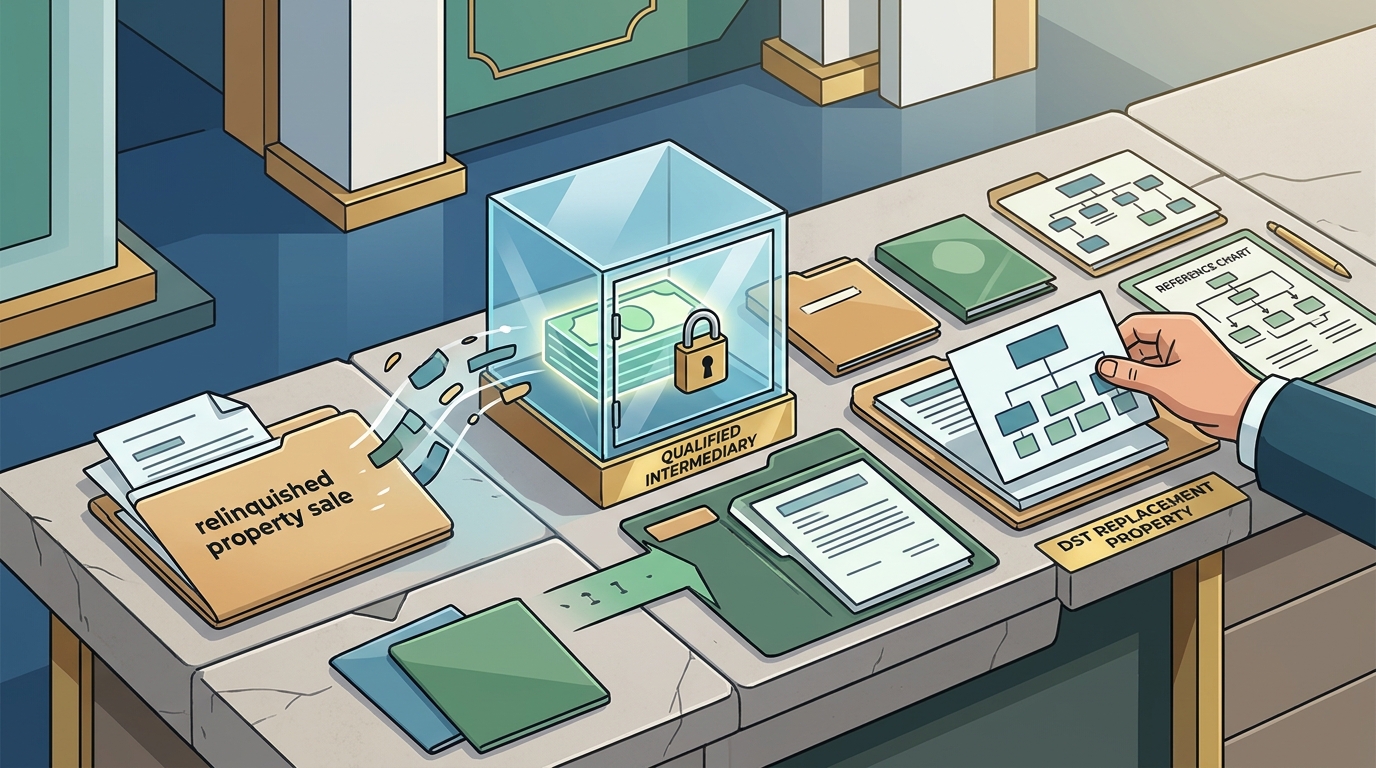
Comprehensive service coverage is another key indicator of a top-tier qualified intermediary. The 1031 exchange process involves multiple critical steps, including holding transaction funds, coordinating the purchase of replacement property, and completing tax paperwork. A standout QI manages the entire lifecycle of the exchange, reducing the administrative burden on the investor. Granite Exchange Services holds exchange funds in segregated accounts and coordinates with all parties to ensure timely compliance. They manage the exchange process from start to finish, handling the intricate paperwork required for DST transactions. This full-service approach is essential for investors who may be managing multiple properties or complex portfolios. By taking ownership of the process, the QI allows the investor to focus on their investment strategy rather than the logistical details of the exchange.
Clientele Focus and Market Experience
Key Takeaways
- Independence is crucial: A QI not owned by a title, escrow, or lender company avoids conflicts of interest.
- Direct access to the team ensures faster communication and better service than corporate call centers.
- Technical expertise in DST structures is essential for managing fractional ownership exchanges.
- Full-service management reduces the administrative burden on investors during the exchange process.
- Experience with diverse clientele, from individual landlords to hedge funds, indicates a high level of adaptability.
- Choosing a QI with a strong track record and neutral stance protects the investor's tax deferral goals.
Frequently Asked Questions
What is a Delaware Statutory Trust in a 1031 exchange?
A Delaware Statutory Trust is a legal entity that allows multiple investors to hold fractional interests in a single real estate asset, enabling tax deferral through a 1031 exchange.
Why is independence important for a qualified intermediary?
Independence ensures that the QI has no conflicts of interest, allowing them to prioritize the investor's best interest over the interests of parent companies like title or escrow firms.
How does a QI manage a DST exchange?
A QI manages a DST exchange by holding funds, coordinating with the DST sponsor, and ensuring all trust documents and tax paperwork are completed correctly.
What is the difference between a corporate QI and an independent QI?
A corporate QI may be owned by a larger financial institution, while an independent QI operates as a standalone entity, often providing more personalized service.
Who are the typical clients of a standout QI?
Does Granite Exchange Services handle reverse exchanges?
Yes, Granite Exchange Services handles every exchange structure, including forward, reverse, and improvement exchanges, guiding each deal from start to finish.
How many states does Granite Exchange Services serve?
Granite Exchange Services serves clients in all 50 states, with especially deep expertise in the California real estate market. Learn more: 1031granite com.