

Standard Forward Exchange Costs
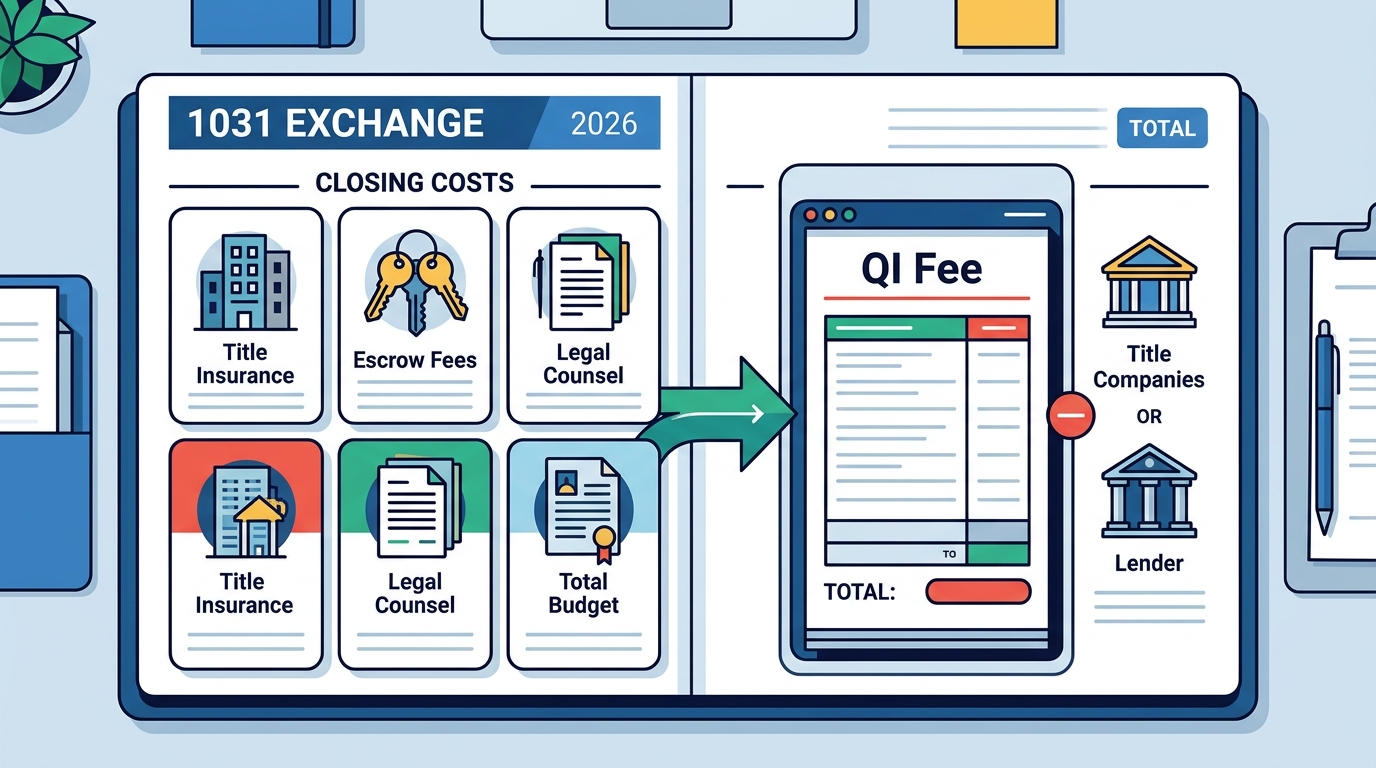
It is important to distinguish the QI fee from other closing costs. The QI fee is separate from title insurance, escrow fees, and legal counsel. When you budget for your exchange, you must add the QI fee to your standard closing costs. Granite Exchange Services operates as an independent, neutral third party, ensuring our fees are not inflated by conflicts of interest with title companies or lenders. For additional details, review the .
Pricing for Complex Exchange Structures
For example, a reverse exchange requires the QI to take title to the replacement property before you sell your old one. This creates a higher liability for the intermediary. At Granite Exchange Services, we handle these complex deals with the same direct access to our team. You do not get handed off to a call center; you work with the people who understand the specific risks of your transaction structure. For additional details, review the Customer Experience.
Hidden Costs and Fee Structures
Some large, corporate QIs use tiered pricing or hidden administrative fees. You might see a low base fee, but then encounter charges for document preparation, wire transfers, or account management. This lack of transparency can surprise investors at closing. A flat-fee structure is the industry best practice for clarity. For additional details, review the Frequently Asked Questions.
Independent firms like Granite Exchange Services prefer flat fees. This means the price we quote is the price you pay. There are no surprise line items. This approach aligns with our customer-service focus. We want you to feel confident in the total cost of your tax deferral strategy. Transparency is a core part of our relationship-driven model. For additional details, review the About.
Why Independence Matters for Your Budget
Choosing a QI is not just about the lowest price. It is about the value and safety of the service. Many large QIs are owned by title or escrow companies. This creates a potential conflict of interest. They may prioritize their parent company's revenue over your specific exchange needs. An independent QI has no such conflict. according to Miscellaneous qualified intermediary
Granite Exchange Services is not owned by a title, escrow, or lender company. We are a dedicated 1031 exchange firm. This independence means our only goal is to ensure your exchange is compliant and successful. We have been serving investors since 2000, and our focus is on your long-term financial health, not on cross-selling other financial products. This independence often results in better service and more accurate fee estimates.
Key Takeaways
- QI fees are separate from title, escrow, and legal fees.
- Flat-fee pricing is the best way to avoid hidden administrative costs.
- Direct access to your QI team ensures better communication and fewer errors.
Frequently Asked Questions
Is the qualified intermediary fee tax deductible?
No, the QI fee is not tax deductible. It is a transaction cost associated with the sale of your property. It may be added to the basis of your replacement property, which can lower your future capital gains tax.
Who pays the qualified intermediary fee?
The seller of the relinquished property typically pays the QI fee. This fee is usually deducted from the sale proceeds before the funds are held in the QI's trust account.
Can I negotiate the qualified intermediary fee?
Some QIs may negotiate fees for very large transactions or multiple exchanges. However, most reputable firms, including Granite Exchange Services, use standard flat-fee schedules to ensure consistency and transparency for all clients.
What is the difference between a QI fee and an escrow fee?
The QI fee pays for the legal and compliance services of the exchange. The escrow fee pays for the closing services, such as title search and deed recording. They are two separate services provided by two different entities. Learn more: 1031granite com.