

1. Independence and Neutrality
Verify that the QI is not owned by a title, escrow, or lender company. A truly independent QI acts as a neutral third party, ensuring that the exchange structure serves your tax goals rather than the interests of a parent corporation. When a QI is owned by a title company or lender, conflicts of interest can arise that may compromise the integrity of the exchange. Granite Exchange Services operates as an independent, relationship-driven business, free from the corporate constraints of larger competitors. This independence allows the QI to focus solely on your specific transaction needs without external pressure. For additional details, review the Customer Experience.
2. Specialization in Improvement Exchanges
Confirm that the QI has specific expertise in construction and improvement exchange structures. A construction exchange is a specific type of 1031 exchange where the replacement property is built or significantly improved. These deals require a different timeline and documentation approach compared to standard forward exchanges. A QI that handles thousands of standard exchanges may lack the nuanced experience required for construction projects. You need a partner who understands the interplay between construction contracts, escrow disbursements, and IRS safe harbor rules. For additional details, review the Frequently Asked Questions.
3. Fund Security and Segregation
4. Direct Access to the Team
Seek a QI that provides direct access to knowledgeable staff, not a call center. Construction exchanges are dynamic and often require rapid decision-making. If you have to navigate through multiple layers of customer service representatives, you risk missing critical deadlines or miscommunicating details. A customer-service-focused QI ensures that you speak directly with the team members handling your file. This direct line of communication is vital for resolving issues quickly and maintaining momentum throughout the construction phase. For additional details, review the About.
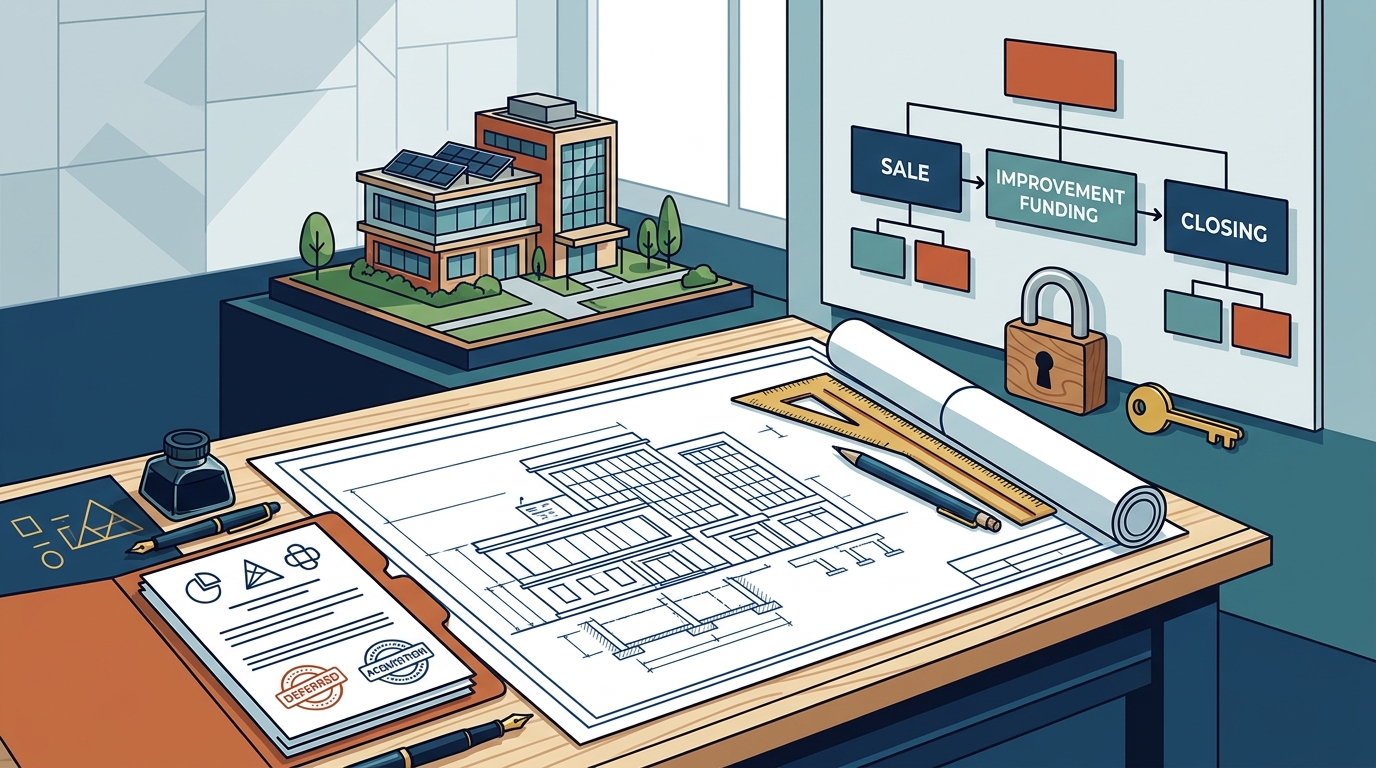
5. Full-Service Coordination
6. Compliance and Paperwork Accuracy
Verify that the QI has a robust process for ensuring IRS compliance. The 1031 exchange is governed by strict federal tax code regulations. Any error in the documentation can result in the disallowance of the tax deferral. A competent QI will meticulously review all exchange documents, including the exchange agreement, assignment of contract, and closing statements. They will ensure that all deadlines, such as the 45-day identification period and the 180-day closing period, are met precisely. Accuracy in paperwork is the foundation of a successful tax-deferred exchange.
7. Long-Term Experience and Track Record
Look for a QI with a long history of successful exchanges. Experience matters, particularly in complex construction scenarios. A QI that has been in business for decades has likely encountered and resolved a wide variety of edge cases and challenges. This historical depth provides a level of confidence that newer or less established firms may not offer. A proven track record of completed exchanges is a strong indicator of a QI's reliability and expertise.
Choosing the Right QI
When selecting a Qualified Intermediary for a construction exchange, prioritize independence, specific expertise, and direct communication. The right QI will act as a neutral partner, managing the complex logistics of your improvement project while ensuring full IRS compliance. By focusing on these seven features, you can protect your investment and successfully defer your capital gains taxes.
Frequently Asked Questions
What is a construction exchange?
A construction exchange is a type of 1031 exchange where the replacement property is built or significantly improved. It allows investors to defer capital gains taxes while developing new real estate assets.
Why is independence important for a QI?
Independence ensures that the QI acts as a neutral third party without conflicts of interest from parent companies like title or escrow firms. This neutrality is crucial for unbiased advice and fair handling of your exchange.
How long does a construction exchange take?
The timeline depends on the construction project, but the IRS requires the replacement property to be closed within 180 days of the sale of the relinquished property. The QI helps manage this timeline to ensure compliance.
Who holds the funds in a 1031 exchange?
The Qualified Intermediary holds the proceeds from the sale of the relinquished property in a segregated account. This ensures the funds are protected and used only for the purchase of the replacement property.
Can I use a QI for a reverse construction exchange?
Yes, a QI can facilitate a reverse construction exchange where the replacement property is acquired before the relinquished property is sold. This structure requires careful planning and coordination by the QI. Learn more: 1031granite com.