

Step-by-Step Guide to California 1031 Exchange Compliance for Real Estate Investors
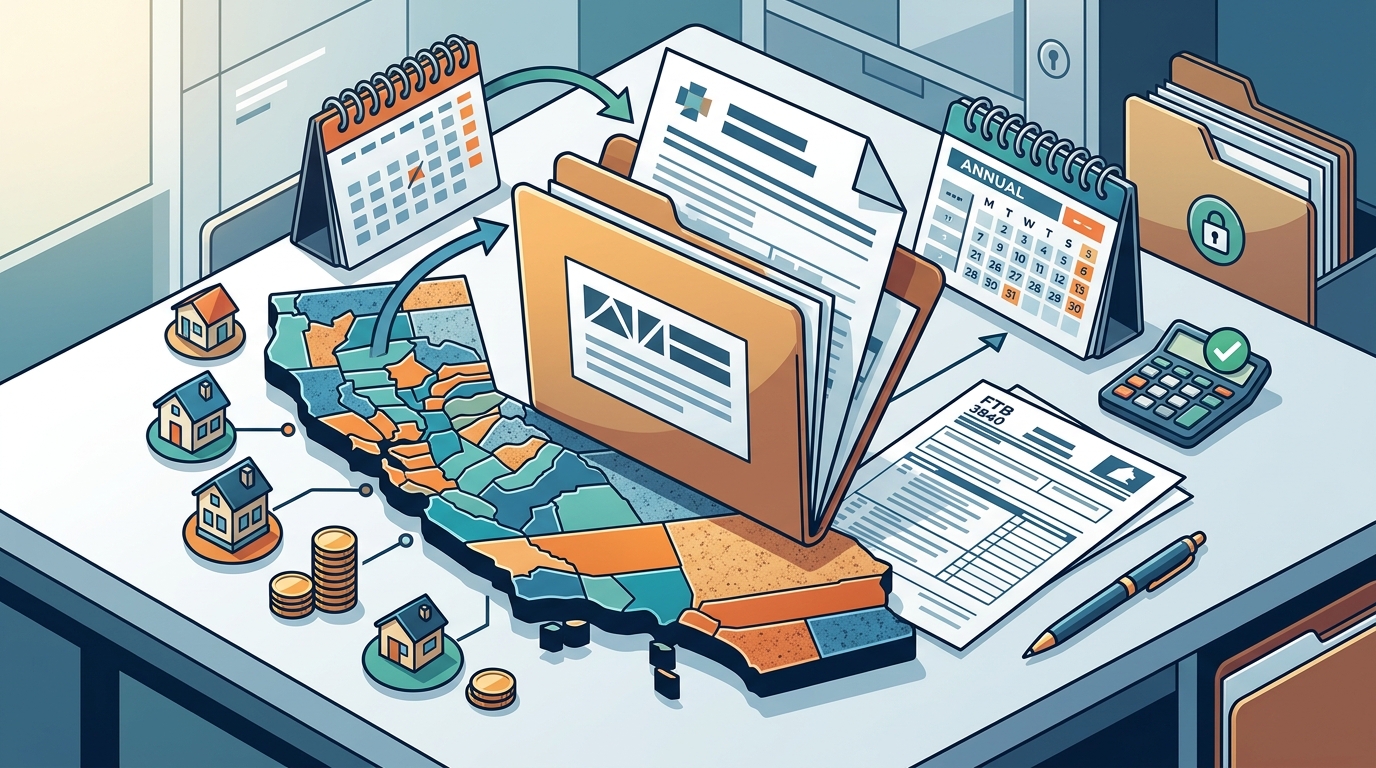
California tracks deferred capital gains from 1031 exchanges with an annual FTB Form 3840 filing, a requirement that persists until the gain is fully recognized. This state-level compliance layer adds significant complexity to the standard federal 1031 exchange process. For investors selling high-value California real estate, understanding these specific regulatory nuances is not optional. It is the difference between a seamless tax deferral and unexpected state liabilities. Granite Exchange Services has guided investors through these exact challenges for over 25 years, ensuring that every exchange complies with both federal IRC Section 1031 rules and California Franchise Tax Board mandates.
What is California 1031 Exchange Compliance?
A 1031 exchange, also known as a like-kind exchange, allows investors to defer paying capital gains taxes on the sale of investment property by reinvesting the proceeds into a similar property. While the federal government under IRC Section 1031 permits this deferral, California treats the transaction differently at the state level. California does not recognize the federal deferral for state income tax purposes.
This means that while you may not owe federal capital gains tax immediately, California still views the gain as realized. To manage this, the state requires investors to file Form 3840 annually. This form tracks the deferred gain until it is eventually recognized, typically when the replacement property is sold in a taxable transaction. Understanding this distinction is vital for accurate financial planning. Many investors mistakenly believe that deferring federal tax means deferring all tax, which leads to compliance errors.
The discipline of a private bank meets the attention of a boutique service provider in the world of qualified intermediary services. Granite Exchange Services ensures that your exchange documentation explicitly addresses California's unique tracking requirements. This includes proper identification of the relinquished property and ensuring that the replacement property meets all like-kind standards. By adhering to these protocols, investors can maintain the integrity of their tax deferral strategy across state lines.
The Critical FTB 3840 Filing Requirement
The cornerstone of California 1031 exchange compliance is Form 3840. This form is not filed at the time of the exchange but is required annually for as long as the gain remains deferred. The Franchise Tax Board uses this form to monitor the status of the deferred gain. If you fail to file Form 3840, you may face penalties and interest, even if you owe no immediate tax.
According to California tax regulations, the deferred gain must be reported each year until the property is sold. This creates a long-term compliance obligation that extends beyond the initial 180-day exchange period. Investors must keep detailed records of their exchange dates, property values, and gain calculations. Granite Exchange Services provides guidance on maintaining these records, ensuring that your qualified intermediary documentation aligns with FTB requirements.
Furthermore, California tracks deferred gains with an annual FTB Form 3840 filing. This requirement applies regardless of whether you sell the replacement property in California or another state. If you move out of California after the exchange, you may still be subject to this filing requirement if you have not established a new domicile that exempts you from California tax. Consulting with a tax advisor is essential to determine your specific obligations. Granite Exchange Services works closely with tax professionals to ensure that your exchange structure supports your long-term tax strategy.
Step-by-Step Exchange Process
Executing a compliant 1031 exchange in California requires meticulous attention to detail. The process involves several critical steps, each with strict deadlines and documentation requirements. Below is a comprehensive guide to navigating this process successfully.
Step 1: Engage a Qualified Intermediary
The first step is to hire a qualified intermediary (QI). A QI holds the proceeds from the sale of your relinquished property and facilitates the acquisition of the replacement property. This role is crucial for maintaining the integrity of the exchange. Granite Exchange Services serves as a CES®-certified qualified intermediary, providing airtight documentation and segregated FDIC-insured accounts for your funds. Your QI must be experienced in handling California-specific compliance issues.
Step 2: Sell the Relinquished Property
Once your QI is in place, you can proceed with the sale of your relinquished property. The sale must be structured so that the proceeds do not touch your hands. Any direct receipt of funds can disqualify the exchange. Your QI will receive the proceeds and hold them in a secure account. This step also involves calculating the potential capital gains and depreciation recapture to understand the tax implications.
Step 3: Identify Replacement Property
You have 45 days from the closing of the relinquished property to identify potential replacement properties. This identification must be in writing and signed by you. You can identify up to three properties regardless of value, or more under certain conditions. The identification must be precise, including the legal description of the property. Granite Exchange Services helps investors navigate this tight window, ensuring that all identifications meet IRS standards.
Step 4: Acquire the Replacement Property
You have 180 days from the closing of the relinquished property to acquire the replacement property. This period includes the 45-day identification period. The acquisition must be completed by your QI, who transfers the funds to the seller of the replacement property. The value of the replacement property must be equal to or greater than the relinquished property to defer all gains. Any difference in value may result in taxable boot.
Step 5: File Form 8824 and FTB 3840
After the exchange is complete, you must file IRS Form 8824 to report the like-kind exchange. Additionally, you must file California Form 3840 annually to track the deferred gain. These forms are critical for maintaining compliance and avoiding penalties. Granite Exchange Services provides detailed reporting support to ensure that all documentation is accurate and timely.
Choosing the Right Exchange Structure
California investors have several exchange structures to choose from, each with its own compliance requirements. The most common is the delayed exchange, but reverse and construction exchanges offer flexibility for complex transactions.
| Exchange Type | Description | California Compliance Note |
|---|---|---|
| Delayed Exchange | Sell first, identify within 45 days, close within 180 days. | Standard FTB 3840 tracking applies. |
| Reverse Exchange | Buy before you sell. Title is parked in an Exchange Accommodation Titleholder. | Requires careful tracking of gain recognition upon sale of relinquished property. |
| Construction Exchange | Apply funds to improvements on replacement property within 180 days. | Improvements must meet strict like-kind standards to avoid boot. |
| DST Exchange | Passive fractional ownership in institutional real estate. | Deferred gain tracking continues until DST interest is sold. |
Each structure requires specific documentation and adherence to IRS and California regulations. Granite Exchange Services offers expertise in all these areas, ensuring that your exchange is structured for maximum tax efficiency and compliance. Whether you are selling a multifamily property in Los Angeles or a commercial building in San Francisco, our specialists can guide you through the process.
Common Compliance Pitfalls to Avoid
Even experienced investors can encounter compliance issues during a 1031 exchange. Being aware of these pitfalls can help you avoid costly mistakes. One common error is missing the 45-day identification deadline. This deadline is absolute, with no extensions granted by the IRS. Another pitfall is failing to file Form 3840 annually. This can result in penalties and interest, even if you owe no immediate tax.
Additionally, investors often overlook the importance of proper documentation. Every step of the exchange must be documented meticulously. This includes the purchase and sale agreements, identification notices, and closing statements. Granite Exchange Services maintains a rigorous documentation protocol to ensure that all records are accurate and complete. This attention to detail is critical for defending your exchange in the event of an audit.
Another frequent mistake is misunderstanding the like-kind requirement. Not all properties qualify for a 1031 exchange. The properties must be held for investment or business use. Personal residences do not qualify. Furthermore, the properties must be of like-kind, which means they must be of the same nature or character, even if they differ in grade or quality. Granite Exchange Services provides guidance on property eligibility, helping you make informed decisions.
Key Takeaways
- California Tracks Deferred Gains: Unlike the federal government, California requires annual filing of Form 3840 to track deferred capital gains until they are recognized.
- Strict Deadlines: The 45-day identification and 180-day completion deadlines are absolute. Missing these deadlines disqualifies the exchange.
- Qualified Intermediary is Essential: A QI must hold the proceeds to maintain the integrity of the exchange. Granite Exchange Services provides CES®-certified QI services.
- Like-Kind Requirement: Both the relinquished and replacement properties must be held for investment or business use and be of like-kind.
- Documentation is Critical: Meticulous record-keeping is required for both IRS Form 8824 and California Form 3840 compliance.
- 25+ Years of Experience: Granite Exchange Services has completed over 20,000 exchanges, safeguarding more than $1 billion in client funds.
- Professional Guidance: Working with a specialist ensures that your exchange complies with both federal and California regulations.
Frequently Asked Questions
Does California recognize 1031 exchanges?
California recognizes the federal 1031 exchange but does not defer state income tax. Investors must file Form 3840 annually to track the deferred gain.
What is Form 3840?
Form 3840 is a California Franchise Tax Board form used to report deferred capital gains from 1031 exchanges. It must be filed annually until the gain is recognized.
Can I exchange California property for property in another state?
Yes. IRC Section 1031 permits exchanges of real property anywhere in the US. However, you must still comply with California's Form 3840 filing requirements.
What happens if I miss the 45-day identification deadline?
Missing the 45-day deadline disqualifies the entire exchange. The gain becomes immediately taxable, and you will owe capital gains taxes on the sale.
How does Granite Exchange Services help with California compliance?
Granite Exchange Services provides CES®-certified qualified intermediary services, including meticulous documentation, fund security, and guidance on California-specific tax filing requirements.
Are reverse exchanges allowed in California?
Yes, reverse exchanges are allowed in California. However, they require careful planning and documentation to ensure compliance with both federal and state regulations.
What is boot in a 1031 exchange?
Boot is any non-like-kind property received in the exchange, such as cash or debt relief. Boot is taxable and can reduce the amount of deferred gain.
Start Your California 1031 Exchange
Navigating the complexities of California 1031 exchange compliance requires expertise and precision. Granite Exchange Services is here to help. With over 25 years of experience and more than 20,000 exchanges completed, we provide the guidance and security you need to defer your taxes confidently. Our CES®-certified specialists are ready to assist you with every step of the process, from identification to closing.
Do not leave your tax deferral to chance. Contact Granite Exchange Services today to begin your exchange. Visit 1031granite.com to learn more about our services or call us at 800-899-6959 to speak with a specialist. Secure your financial future with a compliant and efficient 1031 exchange.